
Curators of Human Civilization’s Journey
TRAVEL BEYOND DESTINATIONS


Explore India's Eastern Coastal Realms
Heritage, Coastal Journeys, Culture & Educational Travel Experiences
From Kanyakumari to Kolkata – A Journey Through Heritage, Nature & Coastal Life
Journey Flow
Kanyakumari → Rameswaram → Madurai → Chennai → Mahabalipuram → Puducherry → Tirupati → Visakhapatnam → Araku Valley → Bhubaneswar → Konark → Puri → Chilika Lake → Kolkata → Sundarbans
A journey along India's Bay of Bengal coastline connecting Tamil Nadu, Puducherry, Andhra Pradesh, Odisha, and West Bengal through heritage, spirituality, coastal ecosystems, cultural traditions, and educational travel experiences.
Explore India's Eastern Coastal Realms Route Map – Kanyakumari to Kolkata | Christone Holidays
India's Eastern Coastal Realms Route Map connecting Tamil Nadu, Puducherry, Andhra Pradesh, Odisha, and West Bengal through heritage, culture, coastal ecosystems, spiritual landmarks, educational travel experiences, and Bay of Bengal destinations curated by Christone Holidays.

Explore India's Eastern Coastal Realms through a comprehensive coastal journey from Kanyakumari to Kolkata. This route map highlights key destinations across Tamil Nadu, Puducherry, Andhra Pradesh, Odisha, and West Bengal, including Mahabalipuram, Rameswaram, Chennai, Visakhapatnam, Araku Valley, Konark, Puri, Chilika Lake, Kolkata, and the Sundarbans. The journey combines UNESCO World Heritage Sites, coastal landscapes, temple architecture, wildlife habitats, maritime heritage, cultural traditions, and educational tourism experiences. Developed by Christone Holidays, this travel corridor showcases the diverse geography, history, ecology, and living heritage of India's Bay of Bengal coastline.
Phase 1: Tamil Nadu – Land of Temples & Coastal Heritage
Route
Kanyakumari → Madurai → Rameswaram → Thanjavur → Mahabalipuram → Chennai
Highlights
-
Sunrise and sunset at Kanyakumari
-
Heritage of Meenakshi Amman Temple
-
Pilgrimage and engineering marvel of Pamban Bridge
-
Chola architecture at Brihadisvara Temple
-
UNESCO monuments of Group of Monuments at Mahabalipuram
-
Coastal culture and museums of Chennai
Kanyakumari Kanyakumari is a coastal town and tourist destination at the southernmost tip of mainland India, in the state of Tamil Nadu. It is uniquely situated where the Arabian Sea, the Bay of Bengal, and the Indian Ocean converge, making it both a scenic landmark and a culturally significant site. Key facts Location: Tamil Nadu, India Coordinates: 8.08° N, 77.55° E Known for: Ocean confluence, temples, sunrise/sunset views Major landmarks: Vivekananda Rock Memorial, Thiruvalluvar Statue, Kanyakumari Temple Best time to visit: October to March Geography and Setting Kanyakumari lies at India’s southernmost mainland point, bordered by three seas. The landscape features rocky shores, a small beach area, and clear views of the vast waters meeting at the horizon. Its location provides striking sunrises and sunsets that attract travelers year-round. Cultural and Religious Significance Named after the goddess Kanyakumari Amman Temple (a form of Parvati), the town is a noted Hindu pilgrimage site. The temple overlooking the sea is believed to mark where the goddess performed penance. Kanyakumari also holds significance for followers of Swami Vivekananda, who meditated on a rock here in 1892 before his voyage to the West. Landmarks and Attractions Prominent attractions include the Vivekananda Rock Memorial, built in 1970 on an offshore rock, and the Thiruvalluvar Statue, a 133-foot sculpture honoring the Tamil poet-philosopher. Nearby, the Gandhi Memorial Mandapam marks the spot where Mahatma Gandhi’s ashes were kept for public homage before immersion. Tourism and Economy Tourism drives the local economy, supported by religious travel, coastal sightseeing, and handicrafts. Kanyakumari is also an access point for exploring South India’s coastal and heritage circuits. Rail and road connections link it to major cities such as Thiruvananthapuram and Madurai, enhancing its appeal as both a pilgrimage and leisure destination.
👉 Explore Meenakshi Amman Temple – History, Heritage, Culture & Visitor Guide Meenakshi Amman Temple The Meenakshi Amman Temple in Madurai, Tamil Nadu, India, is a historic Hindu temple complex dedicated to Goddess Meenakshi (a form of Parvati) and Lord Sundareswarar (a form of Shiva). Renowned for its towering gopurams (gateway towers) and intricate Dravidian architecture, it serves as a major spiritual and cultural landmark in South India. Key facts Location: Madurai, Tamil Nadu, India Primary deities: Meenakshi (Parvati) and Sundareswarar (Shiva) Architectural style: Dravidian Built: Largely during the Nayak dynasty (16th–17th centuries) Significance: Major pilgrimage site and center of Tamil culture Historical background The temple’s origins date back over two millennia, though its current form was shaped under the Nayak rulers, particularly Tirumala Nayak in the 17th century. Ancient Sangam literature references the temple, suggesting Madurai’s centrality as a sacred city for Tamil civilization. Rebuilt after invasions in the 14th century, it emerged as a symbol of regional resilience and artistic revival. Architecture and layout The complex spans about 14 acres and features 14 elaborately carved gopurams, some exceeding 50 meters in height. Each tower is adorned with thousands of colorful stucco figures depicting deities, mythological scenes, and animals. The Aayiram Kaal Mandapam (“Hall of a Thousand Pillars”) exemplifies the precision and symmetry of Dravidian craftsmanship. Religious and cultural significance The temple is a major pilgrimage center for Shaivites and Shaktas alike. The annual Meenakshi Tirukalyanam festival, celebrating the divine marriage of Meenakshi and Sundareswarar, draws millions of devotees. The temple also anchors Madurai’s identity as “Athens of the East,” reflecting its long-standing role as a hub of Tamil art, music, and learning. Current role and preservation Managed by the Hindu Religious and Charitable Endowments Department, the temple remains a living place of worship and a UNESCO tentative world heritage site nominee. Ongoing conservation efforts seek to balance spiritual activity with protection of its sculptures, murals, and stone architecture.
👉 Explore Pamban Bridge – Engineering Marvel & Visitor Guide Pamban Bridge The Pamban Bridge is a historic sea bridge in Rameswaram, Tamil Nadu, India, connecting the island of Pamban (Rameswaram) to Mandapam on the mainland across the Palk Strait. Opened in 1914, it was India’s first sea bridge and remains an engineering landmark for its unique lifting mechanism and century-long service. A new vertical-lift replacement bridge was inaugurated in April 2025. Key facts Original opening: 24 February 1914 Length: ≈ 2.06 km (rail); ≈ 2.3 km (road) Design: Scherzer rolling lift (old); vertical-lift (new) Location: Ramanathapuram district, Tamil Nadu New bridge inauguration: 6 April 2025 Historical development Proposed in the late 1800s under the British Raj, the bridge was built between 1911 and 1914 by South Indian Railway Company and Head Wrightson & Co. of the U.K. It used a Scherzer rolling-lift span designed by a Chicago-based firm, allowing ships to pass beneath. The bridge survived severe cyclones, notably the 1964 Rameswaram storm, and was converted from metre to broad gauge in 2007 to align with Indian Railways standards Engineering and operation The original steel-and-concrete structure had 145 spans supported on 143 piers, including a 225-foot double-leaf bascule that could lift 81 degrees. Its design withstood strong tidal currents and one of the world’s most corrosive marine environments. After 108 years of service, corrosion led to its closure in December 2022 New Pamban Bridge Constructed by Rail Vikas Nigam Limited from 2019 to 2025 at a cost of ₹535 crore, the new 2.07 km vertical-lift sea bridge is India’s first of its kind. Its central 72.5 m span rises 17 m for maritime traffic, using stainless-steel piles, sensor-based health monitoring, and a design life of 100 years Cultural and economic role The bridge remains a lifeline for Rameswaram and the Ramanathaswamy Temple pilgrimage. It boosts tourism, supports fishing and trade in Ramanathapuram district, and stands as a symbol of India’s maritime heritage and modern engineering achievement.
👉 Explore Brihadisvara Temple – History, Chola Heritage, Architecture & Visitor Guide Brihadisvara Temple Brihadisvara Temple, located in Thanjavur, Tamil Nadu, India, is a monumental Hindu temple dedicated to Lord Shiva. Completed in 1010 CE during the reign of Rajaraja I, it is one of the finest examples of Dravidian architecture and a UNESCO World Heritage Site. The temple stands as a symbol of the artistic and engineering prowess of the Chola dynasty. Key facts Location: Thanjavur, Tamil Nadu, India Deity: Lord Shiva (Brihadisvara or Peruvudaiyar) Completed: 1010 CE Architectural style: Dravidian UNESCO status: Part of the "Great Living Chola Temples" (since 1987) Historical background Commissioned by Raja Raja Chola I, the temple marked the zenith of Chola power and cultural sophistication. It was built to commemorate the emperor’s victories and to serve as a spiritual and administrative center. The inscriptions on its walls provide rich historical data about Chola governance, religious endowments, and temple management. Architecture and design The temple features a towering 66-meter (216-foot) vimana, among the tallest of its kind, crowned by a massive monolithic granite capstone. Its intricate carvings, frescoes, and massive Nandi (bull) statue exemplify precision in scale and proportion. The complex integrates shrines, pillared halls, and mural paintings that illustrate Shaivite themes and royal patronage. Cultural and religious significance Brihadisvara Temple remains an active site of worship and pilgrimage, blending spiritual practice with cultural heritage. It has inspired later South Indian temples in architecture and iconography. The temple’s annual festivals, including Mahashivaratri, draw thousands of devotees and celebrate its enduring legacy. Conservation and legacy Now managed by the Archaeological Survey of India, the temple has undergone several restoration projects to preserve its structural integrity and frescoes. As part of the Great Living Chola Temples, it continues to represent India’s architectural innovation and devotional artistry over a millennium after its creation.
👉 Explore Mahabalipuram – UNESCO Heritage & Visitor Guide Group of Monuments at Mahabalipuram The Group of Monuments at Mahabalipuram is a collection of 7th–8th century CE rock-cut and monolithic temples located in the town of Mahabalipuram (Mamallapuram), Tamil Nadu, India. Recognized as a UNESCO World Heritage Site, it showcases the architectural and artistic mastery of the Pallava dynasty and represents an important phase in early Dravidian temple architecture. Key facts Location: Mahabalipuram, Tamil Nadu, India UNESCO designation: 1984 Period: 7th–8th century CE Dynasty: Pallava Main attractions: Shore Temple, Pancha Rathas, Arjuna’s Penance Historical background Mahabalipuram, known as Mamallapuram in ancient times, was a prominent seaport during the Pallava rule under kings such as Narasimhavarman I (Mahamalla). The site’s temples and sculptures were carved from granite outcrops along the Coromandel Coast, illustrating the transition from rock-cut to structural temple architecture. Major monuments The Shore Temple, facing the Bay of Bengal, is one of the earliest structural temples in South India, dedicated to Shiva and Vishnu. The Pancha Rathas are five monolithic shrines, each carved from a single stone block, named after heroes of the Mahabharata. The massive Descent of the Ganges (Arjuna’s Penance) bas-relief depicts a mythological scene with remarkable naturalistic detail. Numerous cave temples, mandapas, and rock-cut reliefs complete the ensemble. Artistic and architectural significance The monuments exhibit refined Pallava craftsmanship, with intricate bas-reliefs, animal figures, and mythological motifs. The transition from rock-cut sanctuaries to freestanding temples marked a key innovation that influenced later South Indian temple design, including the development of Dravidian architecture. Preservation and tourism Maintained by the Archaeological Survey of India, the monuments attract visitors and scholars worldwide. Their coastal setting makes them vulnerable to erosion and rising sea levels, prompting ongoing conservation efforts to safeguard this heritage for future generations.
👉 Explore Chennai – Coastal Heritage, Museums, Culture & Visitor Guide Coastal culture and museums of Chennai Chennai Chennai is the capital city of Tamil Nadu, India, and one of the country’s major urban, cultural, and economic centers. Located on the southeastern Coromandel Coast along the Bay of Bengal, it is known for its deep-rooted Dravidian heritage, dynamic technology sector, and historic maritime significance. Key facts Founded: 1639 (as Madras) Population: ≈ 11 million (metro area, 2023 est.) State: Tamil Nadu Official language: Tamil Major industries: IT services, automotive, film, healthcare Geography and climate Chennai sits on a low-lying coastal plain bordered by the Bay of Bengal. It has a tropical wet-and-dry climate characterized by hot, humid summers and monsoon rains between October and December. The city’s beaches, particularly Marina Beach, are among the longest urban beaches in the world. History and development Established by the British East India Company as Fort St. George, Chennai (then Madras) became an administrative and trading hub of British India. Post-independence, it evolved into a key manufacturing and technology center, earning the nickname “Detroit of India” for its large automobile industry. Economy and infrastructure Chennai hosts major automobile manufacturers, IT parks, and the Chennai Port, one of India’s busiest maritime gateways. The city’s transportation network includes the Chennai Metro, an international airport, and a suburban railway, supporting rapid urban expansion and regional trade. Culture and education The city is a stronghold of Tamil art, music, and cinema. It is home to the annual Madras Music Season, classical dance academies, and prominent educational institutions such as Anna University and the Indian Institute of Technology Madras. Its cultural vibrancy and culinary traditions make it a defining center of South Indian identity.


Explore Tamil Nadu – Land of Temples & Coastal Heritage, featuring Kanyakumari, Madurai, Rameswaram, Thanjavur, Mahabalipuram, and Chennai along India's Eastern Coastal Realms with Christone Holidays.


My Sunrise-to-Sunset Coastal Trail"From Kovalam to Rameshwaram | A Journey Through India’s Southern Shoreline - visit : https://www.christoneholidays.com/post/south-india-coastal-trail-christone-holidays
Puducherry – French Heritage on the Bay of Bengal
Route
Chennai → Puducherry
Nestled along the Bay of Bengal, Puducherry offers a unique blend of French colonial heritage, Indian traditions, spiritual exploration, and coastal charm. Known for its tree-lined boulevards, colorful colonial architecture, seaside promenades, and multicultural legacy, Puducherry represents one of the most distinctive cultural destinations within India's Eastern Coastal Realms.
Discover Puducherry – French Heritage on the Bay of Bengal, featuring colonial architecture, spiritual landmarks, cultural attractions, coastal experiences, and educational travel opportunities within India's Eastern Coastal Realms.

Explore Puducherry, a unique cultural destination along India's Eastern Coastal Realms, where French colonial heritage meets Indian traditions. This visual guide highlights the French Quarter, Promenade Beach, Sri Aurobindo Ashram, Auroville Matrimandir, Puducherry Museum, and the Basilica of the Sacred Heart of Jesus, showcasing the city's architecture, spirituality, coastal beauty, educational experiences, and multicultural legacy on the Bay of Bengal. Curated by Christone Holidays.
Highlights
1. French Quarter (White Town)
Explore the colonial heart of Puducherry, where elegant French villas, vibrant streets, heritage buildings, and charming cafés reflect centuries of cultural exchange between India and France.
The French Quarter, also known as White Town, is the historic heart of Puducherry and the most visible reminder of the city's French colonial past. Established during the French East India Company's rule, the district is characterized by colorful colonial villas, elegant boulevards, heritage buildings, and charming cafés. The area showcases a unique blend of French architectural styles and Tamil cultural traditions.
Visitors can stroll through tree-lined streets, admire beautifully preserved heritage structures, explore art galleries, and experience the distinctive atmosphere that makes Puducherry one of India's most culturally unique destinations. For educational travelers, the French Quarter provides valuable insights into colonial history, urban planning, architecture, and cultural exchange between Europe and India.
👉 Explore Puducherry French Quarter – Colonial Heritage, Architecture & Visitor Guide
French Quarter (White Town), Puducherry What is the French Quarter? The French Quarter, also known as White Town, is the historic colonial district of Puducherry that reflects more than three centuries of French influence in India. Characterized by mustard-yellow villas, elegant boulevards, arched doorways, tree-lined streets, and European-style urban planning, the area offers a unique blend of French and Indian cultural heritage. Historical Background The French East India Company established its presence in Puducherry during the late 17th century, transforming the town into the capital of French India. Over the centuries, French administrators, merchants, and missionaries shaped the city's architecture, governance, education, and cultural identity. Although Puducherry officially became part of India in 1954, the French legacy remains visible throughout White Town. Architectural Significance The French Quarter is renowned for its colonial architecture featuring: Colorful heritage villas Ornate balconies and courtyards French-style churches Colonial administrative buildings Cobblestone streets and promenades Heritage hotels and cultural centers Many buildings have been carefully preserved, creating one of India's finest examples of colonial urban heritage. Cultural Importance The French Quarter represents a living cultural landscape where French traditions blend with Tamil culture. Visitors can experience: French-inspired cafés and bakeries Art galleries and cultural spaces Heritage walks Boutique museums Multilingual traditions Annual cultural festivals This unique fusion makes Puducherry distinct from any other destination in India. Educational Value For educational travelers, the French Quarter provides valuable insights into: Colonial history in India European architectural influences Urban planning and heritage conservation Cultural exchange between Europe and South Asia The history of French India Visitor Experience Walking through White Town allows travelers to explore heritage streets, photograph colonial architecture, enjoy waterfront views, discover cultural institutions, and experience the relaxed atmosphere that has earned Puducherry its reputation as India's French Riviera. Why Visit the French Quarter? The French Quarter is one of the most distinctive heritage destinations in India, offering a rare opportunity to experience French colonial history, preserved architecture, multicultural traditions, and coastal charm within a single destination.
2. Promenade Beach
Stroll along Puducherry's iconic waterfront, featuring historic landmarks, sea views, cultural spaces, and one of India's most attractive coastal promenades.
Explore Promenade Beach – Coastal Heritage & Visitor Guide
Promenade Beach is one of Puducherry's most iconic coastal attractions, stretching along the Bay of Bengal and offering scenic waterfront views, historical monuments, and cultural landmarks. The promenade serves as a gathering place for residents and visitors alike, especially during sunrise and evening hours.
The beachfront features important landmarks including the Gandhi Statue, French War Memorial, Old Lighthouse, and heritage government buildings. Beyond its recreational appeal, Promenade Beach reflects Puducherry's maritime history and connection to the Bay of Bengal. The area provides an excellent opportunity to learn about coastal geography, urban development, and the role of waterfronts in shaping historic port cities.
👉 Explore Promenade Beach – Coastal Heritage & Visitor Guide
Promenade Beach, Puducherry What is Promenade Beach? Promenade Beach is Puducherry's most famous waterfront destination, stretching along the Bay of Bengal and offering scenic coastal views, historic landmarks, public spaces, and cultural attractions. Often referred to as Rock Beach, it serves as one of the city's most vibrant gathering places and reflects Puducherry's close relationship with the sea. Historical Background For centuries, Puducherry's coastline has played an important role in maritime trade and colonial administration. During French rule, the waterfront became a focal point for commerce, governance, and cultural exchange. Today, Promenade Beach preserves this historic connection through its monuments, colonial-era structures, and public spaces. Coastal Significance Promenade Beach is known for: Bay of Bengal waterfront views Historic seawall and promenade French War Memorial Mahatma Gandhi Statue Old Lighthouse Heritage government buildings Public cultural spaces The promenade represents the city's maritime identity and coastal heritage. Cultural Importance The beachfront serves as a social and cultural hub where residents and visitors gather for recreation, community events, and cultural celebrations. The area reflects the relaxed lifestyle and multicultural character that define Puducherry. Educational Value For educational travelers, Promenade Beach offers insights into: Coastal geography Maritime trade history Colonial waterfront development Urban planning Coastal conservation Public space management Visitor Experience Visitors can enjoy sunrise walks, heritage landmarks, ocean views, photography opportunities, cultural events, and the unique atmosphere of one of India's most attractive coastal promenades. Why Visit Promenade Beach? Promenade Beach combines natural beauty, maritime heritage, cultural landmarks, and coastal experiences, making it one of the most important attractions in Puducherry.
3. Sri Aurobindo Ashram
One of India's most respected spiritual centers, attracting visitors seeking peace, reflection, philosophy, and a deeper understanding of human consciousness.
Founded in 1926 by Sri Aurobindo and Mirra Alfassa (The Mother), Sri Aurobindo Ashram is one of India's most respected spiritual centers. The Ashram promotes personal growth, self-discovery, education, and the evolution of human consciousness.
Visitors come from around the world seeking a peaceful environment for reflection and spiritual learning. The Ashram's philosophy emphasizes the integration of spiritual awareness into everyday life. For educational travelers, the institution offers insights into modern Indian philosophy, spiritual thought, and the influence of Sri Aurobindo on contemporary education and human development.
👉 Explore Sri Aurobindo Ashram – Spiritual Heritage & Visitor Guide
Sri Aurobindo Ashram What is Sri Aurobindo Ashram? Sri Aurobindo Ashram is one of India's most respected spiritual institutions, founded in 1926 by Sri Aurobindo and Mirra Alfassa, known as The Mother. The Ashram serves as a center for spiritual growth, education, meditation, and self-discovery. Historical Background Sri Aurobindo settled in Puducherry in 1910 and developed his philosophy of Integral Yoga. Over time, the Ashram grew into an international center attracting seekers, scholars, educators, and visitors from around the world. Spiritual Significance The Ashram is recognized for: Integral Yoga philosophy Meditation and self-development Educational initiatives Spiritual literature Global community engagement Peaceful environment Cultural Importance The institution has significantly influenced education, spirituality, and human development both in India and internationally. Educational Value Visitors can learn about: Modern Indian philosophy Integral Yoga Spiritual education Human consciousness Personal development Contemporary spiritual movements Visitor Experience The Ashram offers a peaceful environment for reflection, meditation, learning, and cultural exploration. Why Visit Sri Aurobindo Ashram? It provides a unique opportunity to experience one of India's most influential spiritual centers while exploring the philosophical legacy of Sri Aurobindo and The Mother.
4. Auroville and the Matrimandir
An internationally recognized experimental township promoting human unity, sustainability, education, and cultural exchange.
Auroville is an international township founded in 1968 with the vision of promoting human unity beyond nationality, religion, and cultural differences. Located near Puducherry, the township attracts visitors interested in sustainability, alternative education, environmental stewardship, and community living.
At the center of Auroville stands the Matrimandir, a striking golden meditation structure that serves as the community's spiritual focal point. Auroville provides valuable educational opportunities to learn about sustainable development, renewable energy, ecological restoration, and innovative social models. It is considered one of the world's most unique experimental communities.
👉 Explore Auroville – Human Unity, Sustainability & Visitor Guide
Auroville and the Matrimandir What is Auroville? Auroville is an international township founded in 1968 with the vision of creating a universal community where people from different nations, cultures, and backgrounds can live together in harmony. Historical Background Established under the guidance of The Mother, Auroville was envisioned as an experiment in human unity. Today, residents from more than fifty countries contribute to its development and sustainability initiatives. Architectural Significance At the heart of Auroville stands the Matrimandir, a golden spherical structure recognized worldwide for its innovative design and spiritual significance. Cultural Importance Auroville promotes: Human unity Sustainable development Environmental conservation Alternative education Cultural exchange Community living Educational Value Visitors gain valuable insights into: Sustainable communities Renewable energy Ecological restoration Global citizenship Social innovation Environmental stewardship Visitor Experience Travelers can explore the Visitor Centre, Matrimandir viewing area, sustainable projects, educational institutions, and environmental initiatives. Why Visit Auroville? Auroville offers one of the world's most unique examples of sustainable living, international cooperation, and visionary community development.
5. Puducherry Museum
Discover archaeological artifacts, French colonial history, maritime heritage, and cultural treasures that reveal the region's rich past.
Puducherry Museum preserves and showcases the rich historical and cultural heritage of the region. The collection includes archaeological artifacts, Roman trade relics, French colonial furnishings, sculptures, coins, and historical documents that reveal the city's diverse past.
The museum helps visitors understand Puducherry's evolution from an ancient trading center to a French colonial settlement and eventually a Union Territory of India. It serves as an important educational resource for those interested in archaeology, maritime trade, colonial history, and South Indian culture.
👉 Explore Puducherry Museum – History, Culture & Visitor Guide
Puducherry Museum What is Puducherry Museum? Puducherry Museum preserves and showcases the cultural, archaeological, and colonial history of the region through a diverse collection of historical artifacts and exhibits. Historical Background The museum documents the region's journey from ancient maritime trade networks to French colonial administration and modern Indian governance. Collection Highlights Visitors can discover: Archaeological artifacts Roman trade relics Bronze sculptures Colonial furniture Historical documents Cultural exhibits Educational Value The museum provides insights into: Archaeology Maritime trade Colonial history South Indian culture Heritage preservation Regional development Visitor Experience The museum offers a comprehensive introduction to Puducherry's rich and diverse history. Why Visit Puducherry Museum? It is one of the best places to understand the cultural and historical evolution of Puducherry through authentic artifacts and exhibits.
6. Basilica of the Sacred Heart of Jesus
An architectural landmark showcasing Gothic Revival design and one of Puducherry's most significant Christian heritage sites.
👉 Explore Sacred Heart Basilica – Heritage, Architecture & Visitor Guide
The Basilica of the Sacred Heart of Jesus is one of Puducherry's most important Christian landmarks. Built in Gothic Revival style, the church is known for its impressive architecture, stained-glass panels, and peaceful atmosphere.
The basilica reflects the influence of European missionaries and the growth of Christianity in the region during the colonial period. Visitors can admire the detailed craftsmanship, learn about religious history, and appreciate the cultural diversity that has shaped Puducherry over the centuries. The church remains an active place of worship and a significant heritage attraction.
Basilica of the Sacred Heart of Jesus What is the Basilica of the Sacred Heart of Jesus? The Basilica of the Sacred Heart of Jesus is one of Puducherry's most important Christian heritage landmarks and a notable example of Gothic Revival architecture in India. Historical Background Constructed in the early twentieth century, the basilica reflects the influence of European missionaries and the growth of Christianity in South India during the colonial era. Architectural Significance The basilica is known for: Gothic Revival architecture Stained-glass artwork Ornate interiors Historic religious symbolism Heritage craftsmanship Cultural Importance The church serves both as a place of worship and a cultural landmark that reflects Puducherry's religious diversity. Educational Value Visitors can learn about: Christian heritage in India Colonial-era architecture Religious art Cultural diversity Heritage conservation Visitor Experience Travelers can admire the architecture, stained-glass windows, peaceful atmosphere, and historical significance of the basilica. Why Visit the Basilica? The basilica offers a fascinating blend of architecture, spirituality, history, and cultural heritage.


THE YOGA OF THE CELLS
A Signature Experiential Learning & Conscious Living Program in Auroville

The Yoga of the Cells – A Signature Experiential Learning & Conscious Living Program in Auroville
The Yoga of the Cells is a signature experiential learning and conscious living program in Auroville, inspired by the teachings of Sri Aurobindo and The Mother. Through mindfulness, emotional intelligence, self-awareness, creative expression, and holistic development, participants embark on a transformative journey of inner growth, wellbeing, and conscious living. Presented by Christone Holidays as part of immersive educational and experiential travel experiences in Auroville.
THE YOGA OF THE CELLS
A Signature Experiential Learning & Conscious Living Program in Auroville
The Yoga of the Cells is a transformative experiential learning program in Auroville that explores self-awareness, emotional wellbeing, mindfulness, conscious living, and personal growth through the principles inspired by Sri Aurobindo and The Mother. Set within Auroville's unique environment of sustainability, human unity, and holistic development, this immersive experience encourages participants to discover deeper connections between mind, body, emotions, and consciousness.
Why Auroville?
Auroville is a global community dedicated to human unity, conscious living, sustainability, and inner development. The Yoga of the Cells draws inspiration from this unique environment, allowing participants to learn, reflect, and grow in one of the world's most innovative communities.
Learning Pillars
🌿 Self-Awareness
🧠 Emotional Intelligence
🧘 Mindfulness & Presence
🎨 Creative Expression
🌎 Conscious Living
🤝 Human Unity
Ideal For
✓ Students
✓ Educators
✓ Corporate Teams
✓ Parents
✓ Wellness Seekers
✓ Lifelong Learners
✓ Educational Tour Groups
Program Highlights
-
Guided mindfulness and reflection sessions
-
Integral Psychology and emotional wellbeing
-
Breathwork and body awareness practices
-
Creative expression and self-discovery
-
Nature immersion experiences
-
Community learning in Auroville
-
Conscious living principles
-
Transformational personal growth
Learning Beyond Boundaries. Living Beyond Limits.
Experience • Reflect • Transform
Signature Auroville Experience
An exclusive experiential learning program available through Christone Holidays while exploring Puducherry and Auroville.
"The journey within is often the most meaningful journey of all. In Auroville, learning extends beyond classrooms, connecting participants with self-awareness, conscious living, and the spirit of human unity."
The Yoga of the Cells – Experiential Learning & Conscious Living in Auroville
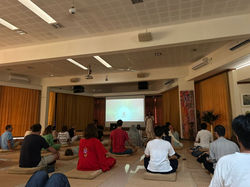
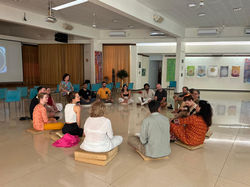
"Explore authentic moments from The Yoga of the Cells, a signature experiential learning and conscious living program in Auroville. These photographs capture participant engagement, self-discovery, mindfulness practices, collaborative learning, and the transformative spirit of this unique educational experience."
The Inner Journey: Seven Dimensions of Awareness
Beyond Observation, Towards Transformation
The Yoga of the Cells is more than an experiential program—it is an invitation to explore the interconnected dimensions of human growth, awareness, and conscious living. Inspired by the vision of Sri Aurobindo and The Mother, participants are encouraged to reflect on how emotions, thoughts, relationships, wellbeing, and purpose shape their daily lives.
Within the unique learning environment of Auroville, these seven dimensions become pathways for deeper understanding, personal growth, and meaningful transformation.
❤️ Emotional Awareness
Understanding emotions, building resilience, developing empathy, and cultivating emotional balance.
🫁 Breath & Vital Energy
Exploring the relationship between breath, energy, wellbeing, and inner calm through mindful awareness.
🧠 Mental Clarity
Strengthening focus, attention, reflection, and conscious decision-making in a rapidly changing world.
👁 Self-Awareness & Insight
Discovering personal strengths, values, aspirations, and opportunities for growth through self-reflection.
🤝 Human Connection
Enhancing communication, collaboration, compassion, and meaningful relationships within communities.
🌿 Physical Wellbeing
Developing awareness of the body, movement, balance, healthy habits, and holistic wellbeing.
✨ Purpose & Conscious Living
Exploring purpose, values, sustainability, global citizenship, and living with greater awareness and intention.
A Living Experience in Auroville
Auroville provides a unique setting where these dimensions can be explored not only through discussion but also through lived experiences. Surrounded by a community dedicated to human unity, sustainability, and conscious evolution, participants gain insights that extend beyond the program and into everyday life.
The Yoga of the Cells encourages learners to move from information to experience, from experience to reflection, and from reflection to transformation.
Experience • Reflect • Transform
"The most meaningful journeys are often the ones that take place within. Through The Yoga of the Cells, participants are invited to explore new perspectives, cultivate awareness, and discover pathways toward a more conscious and purposeful life."
Meet the Facilitator
Mrs. Preeti Mahurkar
Life Coach | Integral Development Trainer | Researcher | Author
With over 25 years of experience in human development, emotional intelligence, NLP, coaching, education, and personal transformation, Mrs. Preeti Mahurkar has guided individuals, educators, students, and organizations through meaningful journeys of self-discovery and conscious growth.
Drawing inspiration from the teachings of Sri Aurobindo and The Mother, her work integrates Integral Psychology, Emotional Wellbeing, Mindfulness, Self-Awareness, and Conscious Living. Through experiential learning approaches, she encourages participants to develop deeper insights into themselves, strengthen emotional resilience, and cultivate a more balanced and purposeful way of living.
Her facilitation style combines reflection, dialogue, experiential activities, and practical tools that support personal growth, emotional wellbeing, and holistic development.
The Inner Journey: Seven Dimensions of Awareness
Beyond Observation, Towards Transformation
At the heart of The Yoga of the Cells lies an exploration of seven interconnected dimensions of awareness. These dimensions encourage participants to understand themselves more deeply while developing greater clarity, balance, resilience, and purpose.
Through guided reflection, experiential learning, mindfulness practices, and conscious engagement with the unique environment of Auroville, participants embark on a journey that extends far beyond traditional learning.
 |  |  |
|---|---|---|
 |  |  |
 |  |  |
 |  |  |
 |  |
Educational Value of the Experience
This is important because Christone Holidays is positioning itself around Educational Travel, Experiential Learning, and Transformational Travel.
Why This Experience Matters for Learners
The Yoga of the Cells goes beyond conventional learning by encouraging participants to explore emotional intelligence, mindfulness, self-awareness, communication, and conscious living through direct experience. Set within the unique environment of Auroville, the program provides opportunities for reflection, observation, collaboration, and personal growth that complement academic, professional, and life learning.
Learning Outcomes
-
Enhanced emotional intelligence
-
Improved self-awareness
-
Better communication and collaboration
-
Increased mindfulness and focus
-
Greater resilience and adaptability
-
Understanding of conscious and sustainable living
-
Appreciation for human unity and global citizenship
This section will strengthen both SEO and GEO because it clearly tells AI systems what learners gain from the experience.
"True learning begins when knowledge becomes experience, experience becomes reflection, and reflection becomes transformation."
– Christone Holidays Experiential Learning Philosophy
🔗 Connect With Us – Travel with Christone Holidays
Experience transformative learning journeys that go beyond sightseeing. Through curated experiential programs, educational travel, cultural immersion, and conscious living experiences, Christone Holidays connects travelers with meaningful destinations and authentic learning opportunities across India.
👉 Explore Puducherry, Auroville & India's Eastern Coastal Realms with Christone Holidays
🌐 Website: https://www.christoneholidays.com
📧 Email: info@christoneholidays.com
📞 Phone: +91 9539949900
Official References (For Authentic Insights)
🌿 Auroville Official Website
https://auroville.org
🌍 Auroville Tourism & Visitor Information
https://visit.auroville.org
Andhra Pradesh – Sacred Shores, Buddhist Heritage & Coastal Landscapes


Where Learning Meets Exploration
Discover the Eastern Coastal Realms: An Educational Journey Through Andhra Pradesh
Embark on a voyage where history whispers through ancient stone and nature paints the horizon. Our "Eastern Coastal Realms" itinerary is meticulously designed to bridge the gap between classroom learning and real-world exploration. From the sacred spires of Tirupati and Srikalahasti to the geological wonders of the Borra Caves and the serene beauty of the Araku Valley, this journey offers an immersive look at the rich Buddhist heritage and stunning coastal landscapes of Andhra Pradesh. Join Christone Holidays as we transform travel into a classroom without walls, where every stop tells a story of civilization, faith, and wonder.

Explore Andhra Pradesh through a structured travel route connecting sacred pilgrimage destinations, ancient Buddhist heritage sites, coastal attractions, maritime landmarks, geological wonders, and tribal highlands. This Christone Holidays route map showcases Tirupati, Amaravati, Visakhapatnam, Borra Caves, Araku Valley, and other iconic destinations along India's Eastern Coastal Realms.
Andhra Pradesh – Sacred Shores, Buddhist Heritage & Coastal Landscapes
Stretching along the Bay of Bengal, Andhra Pradesh is a land where spirituality, history, coastal beauty, and cultural diversity come together to create one of India's most enriching travel experiences. From the sacred temples of Tirupati and Srikalahasti to the ancient Buddhist heritage of Amaravati, the vibrant coastal city of Visakhapatnam, and the scenic tribal highlands of Araku Valley, every destination reveals a unique chapter of India's story.
This carefully curated Christone Holidays journey connects pilgrimage centers, archaeological treasures, maritime landmarks, geological wonders, and living cultural traditions. As travelers move through Andhra Pradesh, they encounter centuries of faith, artistic excellence, Buddhist learning, coastal heritage, and natural beauty, making this route ideal for educational travel, cultural exploration, and meaningful discovery.
Journey Route Across Andhra Pradesh
Follow the route below as we explore sacred shores, Buddhist heritage sites, coastal landscapes, tribal communities, and historical landmarks that define Andhra Pradesh's place within India's Eastern Coastal Realms.
Route Map Structure - Andhra Pradesh
🛕 Tirupati
⬇
🛕 Srikalahasti
⬇
☸️ Amaravati
⬇
🏛️ Vijayawada
⬇
🪨 Undavalli Caves
⬇
🌊 Visakhapatnam (Vizag)
⬇
🏖️ RK Beach
⬇
⚓ INS Kursura Submarine Museum
⬇
🛕 Simhachalam Temple
⬇
🪨 Borra Caves
⬇
🌿 Araku Valley
👉 Explore Andhra Pradesh Highlights & Experiences
Andhra Pradesh is a remarkable destination where sacred traditions, Buddhist heritage, coastal landscapes, tribal cultures, and natural wonders converge along India's eastern shoreline. From world-renowned pilgrimage centers and ancient archaeological sites to scenic beaches, geological marvels, and vibrant cultural communities, the state offers travelers a rich and diverse learning experience.
As part of Christone Holidays' Eastern Coastal Realms journey, these destinations reveal the many dimensions of Andhra Pradesh—its spiritual significance, historical depth, maritime heritage, artistic traditions, and ecological diversity. Each location offers unique opportunities for exploration, education, cultural immersion, and meaningful travel experiences.
📍 Tirupati – Sacred Pilgrimage of Lord Venkateswara
Nestled in the Tirumala Hills, Tirupati is one of the most visited pilgrimage destinations in the world and a major center of Hindu spirituality. Home to the revered Sri Venkateswara Temple, the city attracts millions of devotees and travelers seeking blessings, cultural understanding, and insight into India's living spiritual traditions.
Why Visit Tirupati?
-
One of the world's richest and most visited temples
-
Sacred pilgrimage destination of Lord Venkateswara
-
Spiritual traditions preserved for centuries
-
Unique temple architecture and rituals
-
Significant educational and cultural value
👉 Sacred Heritage of Tirupati – Lord Venkateswara Temple, Pilgrimage Traditions & Cultural Significance
Sacred Heritage of Tirupati – Lord Venkateswara Temple, Pilgrimage Traditions & Cultural Significance What is Tirupati? Tirupati is one of India's most revered pilgrimage destinations and serves as the gateway to the sacred Tirumala Hills, home to the renowned Sri Venkateswara Temple. Located in Andhra Pradesh, the city has been an important spiritual center for centuries and attracts millions of devotees and travelers from across the world each year. The temple dedicated to Lord Venkateswara, a form of Lord Vishnu, is considered among the holiest shrines in Hinduism and represents one of the most significant centers of faith, devotion, and religious heritage in India. Historical Background The history of Tirupati extends back more than a thousand years, with references appearing in ancient inscriptions, religious literature, and historical records. Successive dynasties including the Pallavas, Cholas, Pandyas, and Vijayanagara rulers contributed to the development and preservation of the temple complex. The Vijayanagara Empire played a particularly important role in expanding the temple and supporting its religious and cultural traditions. Many architectural features and historical inscriptions visible today reflect this rich heritage. Architectural Significance The Sri Venkateswara Temple showcases remarkable Dravidian architecture and traditional South Indian temple design. Key architectural features include: Majestic temple towers (Gopurams) Intricately carved stone structures Sacred courtyards and mandapas Gold-plated temple elements Historic inscriptions and sculptures Traditional temple layout reflecting ancient principles The temple complex continues to preserve centuries-old architectural traditions while accommodating millions of pilgrims annually. Spiritual Importance For devotees, Tirupati represents one of the most sacred pilgrimage destinations in Hinduism. The temple is associated with: Lord Venkateswara (Balaji) Vaishnavite traditions Ancient pilgrimage routes Daily worship rituals Religious festivals and celebrations Charitable and community activities The spiritual atmosphere of Tirumala creates a unique experience that combines faith, devotion, culture, and tradition. Cultural Significance Beyond its religious importance, Tirupati contributes significantly to India's cultural heritage. Visitors can experience: Traditional South Indian temple culture Sacred music and devotional practices Religious festivals Temple cuisine and prasadam traditions Heritage conservation Living cultural traditions passed through generations Educational Value For educational travelers, Tirupati offers valuable opportunities to understand: Hindu philosophy and traditions Temple architecture South Indian history Religious tourism Heritage management Cultural continuity in modern India Visitor Experience A visit to Tirupati allows travelers to explore sacred temple traditions, witness remarkable architecture, experience devotional practices, and gain insight into one of the world's most significant pilgrimage destinations. The journey through Tirumala Hills, combined with the spiritual atmosphere and cultural richness of the temple complex, creates an unforgettable experience for pilgrims, heritage enthusiasts, and educational travelers alike. Why Visit Tirupati? Tirupati is far more than a religious destination. It is a living center of faith, history, architecture, culture, and community that reflects centuries of devotion and heritage. Whether seeking spiritual inspiration, historical knowledge, cultural understanding, or educational enrichment, Tirupati remains one of India's most remarkable destinations.
📍 Srikalahasti – The Temple of Wind
Located near Tirupati, Srikalahasti is one of South India's most revered Shiva temples and is renowned as the Vayu Lingam, representing the element of wind among the Pancha Bhoota Sthalams. The temple's spiritual atmosphere, architectural beauty, and ancient traditions make it an important pilgrimage destination.
Why Visit Srikalahasti?
-
One of the Pancha Bhoota temples
-
Revered shrine dedicated to Lord Shiva
-
Ancient Dravidian architecture
-
Important center for spiritual rituals
-
Rich historical and cultural heritage
👉 Spiritual Heritage of Srikalahasti – The Temple of Wind, Architecture & Pilgrimage Guide
📍 Srikalahasti – The Temple of Wind What is Srikalahasti? Srikalahasti is one of South India's most sacred Shiva temples and is renowned as the Vayu Lingam, representing the element of wind among the Pancha Bhoota Sthalams. Located near Tirupati, this ancient temple has been an important center of worship, spirituality, and pilgrimage for centuries. Historical Background The history of Srikalahasti dates back over a thousand years and is closely associated with the Pallava, Chola, and Vijayanagara dynasties. Historical inscriptions found within the temple reveal its significance as a major religious center in South India. Architectural Significance The temple is celebrated for: Magnificent Dravidian architecture Massive temple towers (Gopurams) Intricate stone carvings Ancient temple halls Historic inscriptions Sacred temple corridors Spiritual Importance Srikalahasti is regarded as one of the most important Shiva temples in India and is especially known for: Vayu Lingam (Element of Wind) Pancha Bhoota Sthalams Rahu-Ketu worship rituals Pilgrimage traditions Spiritual healing beliefs Cultural Significance The temple preserves centuries-old religious practices, festivals, music traditions, and local customs that continue to attract devotees from across India. Educational Value Visitors gain insights into: Hindu philosophy South Indian temple architecture Religious traditions Ancient dynasties Heritage conservation Visitor Experience The spiritual atmosphere, sacred rituals, and impressive architecture create a memorable experience for pilgrims and heritage travelers. Why Visit Srikalahasti? Srikalahasti combines spirituality, architecture, history, and living traditions, making it one of Andhra Pradesh's most important cultural destinations.
📍 Amaravati – Ancient Buddhist Heritage
Amaravati is one of India's most significant Buddhist heritage sites, known for its ancient stupa, archaeological treasures, and role as a center of Buddhist learning. The city offers valuable insights into India's spiritual and cultural history.
Why Visit Amaravati?
-
Historic Buddhist pilgrimage destination
-
Ancient Amaravati Stupa
-
Archaeological and museum collections
-
Educational significance for Buddhist studies
-
Rich cultural heritage of Andhra Pradesh
👉 Ancient Buddhist Heritage of Amaravati – Stupa, Archaeology & Cultural Legacy
📍 Amaravati – Ancient Buddhist Heritage What is Amaravati? Amaravati is one of India's most important Buddhist heritage sites and was once a major center of Buddhist learning and culture. Located on the banks of the Krishna River, the city is renowned for the ancient Amaravati Stupa and its archaeological treasures. Historical Background Between the 2nd century BCE and the 3rd century CE, Amaravati flourished as a prominent Buddhist center under the Satavahana dynasty. Scholars, monks, and travelers from across Asia visited the region, contributing to its cultural significance. Archaeological Significance Highlights include: Amaravati Mahachaitya (Great Stupa) Buddhist sculptures Stone relief panels Ancient inscriptions Archaeological museum collections Cultural Importance Amaravati reflects Andhra Pradesh's contribution to the spread of Buddhism throughout South and Southeast Asia. Educational Value Ideal for understanding: Buddhist history Ancient Indian art Archaeology Cultural exchange Religious studies Visitor Experience Travelers can explore archaeological remains, museums, heritage sites, and learn about one of India's most influential Buddhist centers. Why Visit Amaravati? Amaravati offers a rare opportunity to experience India's Buddhist legacy through archaeology, art, and history.
📍 Vijayawada – Cultural Heritage on the Krishna River
Situated on the banks of the Krishna River, Vijayawada is a vibrant cultural center known for the Kanaka Durga Temple, historic landmarks, and its role as a gateway to Andhra Pradesh's heritage and traditions.
Why Visit Vijayawada?
-
Home to Kanaka Durga Temple
-
Important cultural and commercial center
-
Scenic Krishna River landscapes
-
Historical and religious significance
-
Educational and heritage attractions
👉 Vijayawada Heritage Guide – Kanaka Durga Temple, Krishna River & Cultural Landmarks
📍 Vijayawada – Cultural Heritage on the Krishna River What is Vijayawada? Situated on the banks of the Krishna River, Vijayawada is one of Andhra Pradesh's most vibrant cities and a gateway to the region's religious, cultural, and historical heritage. Historical Background Vijayawada has been an important settlement for centuries and is closely associated with Hindu mythology, trade routes, and regional dynasties. Key Attractions Kanaka Durga Temple Krishna River Prakasam Barrage Bhavani Island Historic monuments Cultural Importance The city hosts major festivals, religious gatherings, and cultural celebrations throughout the year. Educational Value Visitors can learn about: River civilizations Hindu traditions Urban development Andhra Pradesh culture Visitor Experience A combination of spiritual sites, river landscapes, and cultural attractions makes Vijayawada an engaging destination. Why Visit Vijayawada? Vijayawada blends spirituality, history, and modern culture in one of Andhra Pradesh's most dynamic cities.
📍 Undavalli Caves – Rock-Cut Architectural Wonder
The Undavalli Caves are among India's finest examples of ancient rock-cut architecture. Carved into sandstone hills, these multi-level caves showcase remarkable craftsmanship and offer insights into early Indian religious and artistic traditions.
Why Visit Undavalli Caves?
-
Ancient rock-cut architecture
-
Historical Buddhist and Hindu influences
-
Remarkable stone carvings
-
Archaeological significance
-
Educational value for heritage travelers
👉 Undavalli Caves – Rock-Cut Architecture, History & Archaeological Heritage
📍 Undavalli Caves – Rock-Cut Architectural Wonder What are the Undavalli Caves? The Undavalli Caves are among India's finest examples of ancient rock-cut architecture, carved into sandstone hills overlooking the Krishna River. Historical Background Dating back to the 4th–5th centuries, the caves reflect Buddhist, Jain, and Hindu influences, demonstrating the region's diverse religious heritage. Architectural Highlights Four-storey rock-cut structure Ancient sculptures Intricate carvings Monolithic craftsmanship Historic religious chambers Educational Value Visitors can study: Ancient engineering Rock-cut architecture Archaeology Religious history Visitor Experience The caves offer panoramic views, historical exploration, and remarkable architectural insights. Why Visit Undavalli Caves? They represent one of Andhra Pradesh's most impressive archaeological and architectural treasures.
📍 Visakhapatnam – The Jewel of Andhra's Coast
Visakhapatnam, popularly known as Vizag, combines coastal beauty, maritime history, modern urban development, and cultural attractions. It is one of the most important coastal cities along India's eastern seaboard.
Why Visit Visakhapatnam?
-
Beautiful Bay of Bengal coastline
-
Maritime and naval heritage
-
Scenic beaches and viewpoints
-
Museums and cultural attractions
-
Gateway to Araku Valley
👉 Visakhapatnam Travel Guide – Coastal Heritage, Maritime History & Cultural Attractions
📍 Visakhapatnam – The Jewel of Andhra's Coast What is Visakhapatnam? Visakhapatnam, popularly known as Vizag, is Andhra Pradesh's largest coastal city and one of India's most important ports. Nestled between the Bay of Bengal and the Eastern Ghats, the city combines natural beauty, maritime heritage, modern development, and cultural attractions. Historical Background For centuries, Visakhapatnam has served as an important trading and maritime center. Its strategic coastal location contributed to its growth as a port city and naval hub, while its surrounding landscapes attracted travelers, merchants, and communities from across the region. Coastal & Maritime Significance Visakhapatnam is known for: Bay of Bengal coastline Major Indian port facilities Naval heritage Maritime museums Coastal tourism attractions Scenic hill and sea landscapes Cultural Importance The city reflects a blend of traditional Andhra culture, maritime history, modern urban life, and educational development. Educational Value Visitors gain insights into: Maritime history Coastal geography Port development Naval heritage Urban planning Visitor Experience From beaches and museums to viewpoints and cultural attractions, Visakhapatnam offers diverse experiences for travelers of all interests. Why Visit Visakhapatnam? Visakhapatnam combines coastal beauty, maritime heritage, cultural attractions, and modern city life, making it one of India's most fascinating seaside destinations.
📍 RK Beach – Coastal Life on the Bay of Bengal
RK Beach is one of Visakhapatnam's most popular coastal destinations, offering scenic ocean views, vibrant local culture, and opportunities to experience the city's connection with the Bay of Bengal.
Why Visit RK Beach?
-
Beautiful seaside promenade
-
Bay of Bengal coastal views
-
Family-friendly atmosphere
-
Cultural and recreational activities
-
Important urban waterfront destination
👉 RK Beach Experience – Coastal Life, Bay of Bengal Views & Visitor Guide
📍 RK Beach – Coastal Life on the Bay of Bengal What is RK Beach? Ramakrishna Beach, commonly known as RK Beach, is one of Visakhapatnam's most iconic coastal attractions. Stretching along the Bay of Bengal, the beach serves as a gathering place for locals and visitors seeking scenic ocean views and recreational experiences. Historical Background Over the years, RK Beach has evolved into one of Andhra Pradesh's most popular urban waterfronts while maintaining its connection to the city's maritime identity. Coastal Significance The beach offers: Bay of Bengal views Sunrise experiences Seaside promenades Public recreation spaces Cultural events Local food experiences Educational Value Visitors can learn about: Coastal ecosystems Marine environments Urban waterfront development Community spaces Visitor Experience Morning walks, ocean views, cultural attractions, and vibrant local life make RK Beach a memorable destination. Why Visit RK Beach? RK Beach offers a perfect introduction to Visakhapatnam's coastal culture and connection with the Bay of Bengal.
📍 INS Kursura Submarine Museum – Maritime Heritage
The INS Kursura Submarine Museum is one of the few submarine museums in the world, preserving an important chapter of India's naval history while offering visitors a unique educational experience.
Why Visit INS Kursura?
-
Unique submarine museum
-
Insight into India's naval history
-
Interactive educational experience
-
Maritime heritage attraction
-
Popular landmark in Visakhapatnam
👉 INS Kursura Submarine Museum – Naval History, Maritime Heritage & Visitor Experience
📍 INS Kursura Submarine Museum – Maritime Heritage of India What is INS Kursura? The INS Kursura Submarine Museum is one of the few submarine museums in the world and preserves an important chapter of India's naval history. The retired submarine has been transformed into an educational museum on the shores of Visakhapatnam. Historical Background INS Kursura served in the Indian Navy for over three decades before being converted into a museum. Today it stands as a tribute to India's maritime defense and naval achievements. Maritime Significance The museum showcases: Naval technology Submarine operations Maritime defense history Life aboard a submarine India's naval development Educational Value Ideal for learning about: Naval engineering Maritime defense Indian Navy history Military technology Visitor Experience Visitors can walk through the actual submarine and explore operational spaces used by naval personnel. Why Visit INS Kursura? It provides a rare opportunity to experience naval history from inside a real submarine.
📍 Simhachalam Temple – Sacred Architecture & Devotion
Simhachalam Temple is one of Andhra Pradesh's most important religious sites, dedicated to Lord Narasimha. Its architectural beauty and spiritual significance attract pilgrims and heritage enthusiasts alike.
Why Visit Simhachalam?
-
Revered Narasimha temple
-
Distinctive temple architecture
-
Ancient pilgrimage traditions
-
Spiritual and cultural significance
-
Historical importance
👉 Simhachalam Temple – Sacred Architecture, Pilgrimage & Cultural Heritage
📍 Simhachalam Temple – Sacred Architecture & Devotion What is Simhachalam Temple? Simhachalam Temple is one of Andhra Pradesh's most revered pilgrimage sites and is dedicated to Lord Varaha Narasimha, a unique incarnation of Lord Vishnu. Located on a scenic hill near Visakhapatnam, the temple attracts pilgrims and heritage enthusiasts alike. Historical Background The temple's origins date back many centuries, with contributions from Eastern Ganga, Chola, and Vijayanagara rulers helping shape its present form. Architectural Significance Highlights include: Dravidian architecture Intricate stone carvings Temple sculptures Historic inscriptions Sacred temple traditions Spiritual Importance The temple remains an active center of worship and devotion, drawing pilgrims from across India. Educational Value Visitors can study: Hindu temple architecture Religious traditions South Indian history Heritage preservation Visitor Experience The combination of sacred atmosphere, architecture, and hilltop setting creates a memorable experience. Why Visit Simhachalam? Simhachalam represents one of Andhra Pradesh's most important spiritual and architectural treasures.
📍 Borra Caves – Geological Wonder of the Eastern Ghats
Located within the Eastern Ghats, Borra Caves are among India's largest and most spectacular limestone cave systems, featuring extraordinary formations shaped over millions of years.
Why Visit Borra Caves?
-
Spectacular limestone formations
-
Geological and educational significance
-
Natural wonder of the Eastern Ghats
-
Adventure and exploration opportunities
-
Unique underground landscapes
👉 Borra Caves – Geological Heritage, Limestone Formations & Nature Exploration
📍 Borra Caves – Geological Wonder of the Eastern Ghats What are Borra Caves? Located in the Eastern Ghats, Borra Caves are among India's largest and oldest limestone cave systems. Formed over millions of years, the caves feature spectacular stalactites, stalagmites, and natural rock formations. Geological Background The caves were formed through the action of flowing water on limestone rock over immense geological timescales, creating unique underground chambers and formations. Natural Significance The caves are renowned for: Limestone formations Underground chambers Geological diversity Natural rock sculptures Eastern Ghats landscapes Educational Value Ideal for understanding: Geology Cave formation Natural history Environmental studies Visitor Experience Exploring the illuminated cave system offers a fascinating journey into Earth's geological past. Why Visit Borra Caves? Borra Caves provide one of India's most impressive geological and educational travel experiences.
📍 Araku Valley – Tribal Culture & Coffee Highlands
Araku Valley is a scenic hill destination known for its tribal heritage, coffee plantations, lush landscapes, and unique cultural experiences. It offers a refreshing contrast to Andhra Pradesh's coastal regions.
Why Visit Araku Valley?
-
Tribal cultural experiences
-
Coffee plantations and heritage
-
Scenic hill landscapes
-
Eco-tourism opportunities
-
Educational insights into indigenous communities
👉 Araku Valley – Tribal Heritage, Coffee Culture & Nature Experiences
📍 Araku Valley – Tribal Heritage, Coffee Culture & Nature Experiences What is Araku Valley? Nestled within the Eastern Ghats, Araku Valley is a picturesque hill destination known for its tribal communities, coffee plantations, scenic landscapes, and cultural richness. It is one of Andhra Pradesh's most celebrated eco-tourism destinations. Historical & Cultural Background For generations, indigenous tribal communities have lived in the region, preserving traditions, crafts, music, agriculture, and cultural practices that continue to shape the valley's identity. Cultural Significance Araku is known for: Tribal heritage Traditional arts and crafts Indigenous culture Community-based tourism Cultural preservation Coffee Heritage The valley is also famous for: Organic coffee cultivation Coffee plantations Sustainable farming practices Agricultural heritage Educational Value Visitors gain insights into: Indigenous communities Sustainable agriculture Mountain ecosystems Cultural diversity Visitor Experience Travelers can enjoy scenic train journeys, tribal museums, coffee plantations, cultural performances, and breathtaking landscapes. Why Visit Araku Valley? Araku Valley offers a unique blend of tribal culture, coffee heritage, eco-tourism, and natural beauty within the Eastern Ghats.
Andhra Pradesh Highlights & Experiences – Sacred Shores, Buddhist Heritage & Coastal Landscapes
Explore Andhra Pradesh through its sacred temples, Buddhist heritage sites, coastal landmarks, maritime history, geological wonders, and tribal highlands. This curated Christone Holidays gallery showcases the diverse cultural, historical, spiritual, and natural treasures that define Andhra Pradesh along India's Eastern Coastal Realms.


Odisha – Temple Heritage, Maritime Legacy & Coastal Wonders
Odisha is a land where ancient temple traditions, maritime history, sacred pilgrimage routes, coastal ecosystems, and living cultural heritage come together to create one of India's most fascinating travel experiences. From the majestic Konark Sun Temple and the revered Jagannath Temple in Puri to the tranquil waters of Chilika Lake and the artistic traditions of Raghurajpur Heritage Village, Odisha offers travelers an extraordinary journey through history, spirituality, nature, and culture.
As part of Christone Holidays' Eastern Coastal Realms journey, this carefully curated route explores UNESCO World Heritage monuments, sacred pilgrimage centers, Buddhist heritage sites, vibrant artisan communities, coastal landscapes, and ecological treasures. Along the way, travelers gain deeper insights into Odisha's role in shaping India's maritime legacy, temple architecture, cultural traditions, and environmental heritage, making it an ideal destination for educational travel, cultural exploration, and meaningful discovery.
Journey Route Across Odisha
Follow the route below as we explore sacred temples, coastal wonders, maritime heritage, artisan traditions, Buddhist landmarks, and ecological treasures that define Odisha's place within India's Eastern Coastal Realms.
Explore Odisha through a curated journey connecting Konark Sun Temple, Jagannath Temple, Chilika Lake, Raghurajpur Heritage Village, Bhubaneswar's temple circuit, Buddhist landmarks, and coastal ecosystems. Discover the cultural, spiritual, historical, and ecological treasures of Odisha with Christone Holidays.

Journey across Odisha's sacred temples, maritime heritage, coastal landscapes, Buddhist landmarks, artisan villages, and ecological treasures. From the iconic Konark Sun Temple and Jagannath Temple in Puri to the tranquil waters of Chilika Lake and the cultural richness of Raghurajpur, this Christone Holidays route reveals the diverse experiences that make Odisha one of India's most remarkable heritage destinations.
Odisha
Temple Heritage • Maritime History • Living Traditions • Coastal Ecosystems • Buddhist Legacy
🌊 Phase 4: Odisha – Temples, Maritime Heritage & Coastal Wonders
Route Structure
📍 Gopalpur-on-Sea
⬇
📍 Chilika Lake
⬇
📍 Satapada Dolphin Point
⬇
📍 Konark Sun Temple (UNESCO)
⬇
📍 Puri Jagannath Temple
⬇
📍 Golden Beach, Puri
⬇
📍 Raghurajpur Heritage Village
⬇
📍 Dhauli Peace Pagoda
⬇
📍 Bhubaneswar Temple Heritage Circuit
⬇
📍 Udayagiri & Khandagiri Caves
⬇
📍 Nandankanan Zoological Park
Why Odisha
-
UNESCO World Heritage Site (Konark)
-
Jagannath Culture
-
Rath Yatra Legacy
-
Ancient Maritime Trade
-
Chilika Lake Ecosystem
-
Dolphins
-
Buddhist History
-
Temple Architecture
-
Artisan Villages
-
Konark Sun Temple (UNESCO flagship)
-
Jagannath Temple, Puri (spiritual flagship)
-
Chilika Lake (ecology flagship)
-
Satapada Dolphin Point
-
Golden Beach, Puri
-
Raghurajpur Heritage Village
-
Dhauli Peace Pagoda
-
Bhubaneswar Temple Circuit
-
Udayagiri & Khandagiri Caves
-
Nandankanan Zoological Park
-
Gopalpur-on-Sea
👉 Explore Odisha Highlights & Experiences
Odisha is a land of timeless temples, sacred pilgrimage traditions, maritime heritage, vibrant artisan communities, and diverse coastal ecosystems. From the spiritual heart of Puri and the architectural brilliance of Konark to the tranquil waters of Chilika Lake and the cultural richness of Raghurajpur, Odisha offers travelers an immersive journey through history, faith, art, nature, and living traditions.
As part of Christone Holidays' Eastern Coastal Realms journey, these destinations reveal Odisha's unique role in shaping India's cultural, spiritual, and maritime legacy while providing meaningful opportunities for educational travel and cultural discovery.
📍 Gopalpur-on-Sea – Historic Coastal Retreat
Gopalpur-on-Sea is one of Odisha's oldest coastal destinations, known for its serene beaches, maritime history, and relaxed seaside atmosphere. Once an important trading port, it now attracts travelers seeking coastal beauty and historical significance.
Why Visit Gopalpur-on-Sea?
-
Historic maritime heritage
-
Scenic Bay of Bengal coastline
-
Peaceful beach environment
-
Colonial-era connections
-
Educational coastal experiences
👉 Gopalpur-on-Sea – Maritime Heritage, Coastal Landscapes & Visitor Guide
Gopalpur-on-Sea – Maritime Heritage, Coastal Landscapes & Visitor Guide What is Gopalpur-on-Sea? Gopalpur-on-Sea is one of Odisha's oldest and most charming coastal destinations, situated along the Bay of Bengal in the Ganjam district. Known for its serene beaches, historic maritime connections, colonial-era heritage, and relaxed atmosphere, Gopalpur offers travelers a unique blend of coastal beauty and historical significance. Unlike many modern beach destinations, Gopalpur retains the character of a traditional seaside town where visitors can experience both natural landscapes and stories of Odisha's maritime past. The destination serves as an ideal gateway to explore the southern coast of Odisha while enjoying peaceful coastal experiences. Historical Background Gopalpur's history is closely linked to maritime trade and international commerce. During the 18th and 19th centuries, Gopalpur emerged as an important port connecting Odisha with regions across Southeast Asia and beyond. Merchants used the port for exporting rice, textiles, spices, and other goods. The town flourished as a trading center, attracting business communities and contributing to Odisha's maritime economy. Although modern ports eventually replaced its commercial importance, Gopalpur continues to preserve its historic connection to the sea. Today, remnants of this maritime legacy remain visible through local traditions, fishing communities, and the town's enduring relationship with the Bay of Bengal. Coastal Significance Gopalpur-on-Sea is celebrated for its scenic coastal environment and tranquil shoreline. Key highlights include: Long stretches of sandy beaches Bay of Bengal seascapes Peaceful coastal atmosphere Traditional fishing communities Sunrise and sunset views Coastal biodiversity The beach offers a refreshing alternative to busier tourist destinations, making it ideal for travelers seeking relaxation and meaningful connections with nature. Maritime Heritage For centuries, Odisha maintained strong maritime links with Southeast Asia, and Gopalpur played an important role in this network. Visitors can learn about: Historical maritime trade routes Traditional navigation practices Coastal commerce Fishing heritage Odisha's seafaring traditions This maritime legacy contributes significantly to the cultural identity of the region. Cultural Importance Gopalpur reflects the cultural traditions of Odisha's coastal communities. Local festivals, fishing practices, cuisine, and community life continue to demonstrate the strong relationship between people and the sea. Travelers can experience: Traditional coastal lifestyles Seafood cuisine Local markets Community traditions Coastal cultural heritage These experiences provide valuable insights into everyday life along Odisha's coastline. Educational Value For educational travelers, Gopalpur offers opportunities to understand: Maritime history Coastal ecosystems Traditional fishing practices Sustainable livelihoods Environmental conservation Odisha's coastal heritage The destination serves as an excellent example of how history, culture, and nature intersect within a coastal environment. Natural Beauty & Ecology The coastal environment around Gopalpur supports diverse marine and shoreline ecosystems. Visitors can observe: Coastal vegetation Migratory bird activity Marine habitats Sand dune systems Bay of Bengal landscapes These natural features contribute to the ecological significance of the region and highlight the importance of coastal conservation. Visitor Experience A visit to Gopalpur-on-Sea offers a combination of relaxation, exploration, and learning. Popular activities include: Beach walks Sunrise photography Coastal sightseeing Heritage exploration Birdwatching Local cultural experiences The peaceful atmosphere makes it an excellent destination for families, educational groups, heritage travelers, and nature enthusiasts. Why Visit Gopalpur-on-Sea? Gopalpur-on-Sea offers a rare combination of maritime history, coastal beauty, cultural traditions, and ecological significance. Whether exploring Odisha's seafaring heritage, enjoying the tranquility of the Bay of Bengal, or learning about coastal communities, visitors discover a destination that reflects both the historical and natural richness of India's eastern shoreline. As part of Christone Holidays' Eastern Coastal Realms journey, Gopalpur-on-Sea provides a meaningful introduction to Odisha's maritime legacy and coastal heritage.
📍 Chilika Lake – Asia's Largest Brackish Water Lagoon
Chilika Lake is one of India's most important ecological treasures and the largest brackish water lagoon in Asia. It supports diverse wildlife, migratory birds, fishing communities, and unique coastal ecosystems.
Why Visit Chilika Lake?
-
Asia's largest brackish water lagoon
-
Rich biodiversity
-
Migratory bird habitat
-
Traditional fishing communities
-
Ecological significance
👉 Chilika Lake – Biodiversity, Wetland Ecosystems & Nature Guide
Chilika Lake – Asia's Largest Brackish Water Lagoon What is Chilika Lake? Chilika Lake is Asia's largest brackish water lagoon and one of India's most important ecological treasures. Spread across vast coastal landscapes, the lagoon supports rich biodiversity, traditional fishing communities, migratory birds, and unique wetland ecosystems. Historical Background For centuries, Chilika has played an important role in the lives of local communities, supporting fishing, trade, transportation, and cultural traditions. Historical records indicate its importance as part of Odisha's coastal and maritime landscape. Ecological Significance Chilika is renowned for: Brackish water ecosystem Migratory bird populations Rich biodiversity Wetland conservation Marine and freshwater species Sustainable fishing traditions Wildlife Importance The lake supports: Hundreds of bird species Irrawaddy dolphins Aquatic plants Fish diversity Coastal ecosystems During winter, migratory birds arrive from regions across Asia and Europe, making Chilika a globally significant bird habitat. Cultural Importance Fishing communities around the lagoon maintain traditions passed down through generations, creating a unique cultural landscape connected to nature. Educational Value Visitors learn about: Wetland ecosystems Biodiversity conservation Sustainable livelihoods Environmental protection Coastal ecology Visitor Experience Boat rides across the lagoon allow travelers to experience its vast waters, wildlife, birdlife, and scenic beauty. Why Visit Chilika Lake? Chilika offers one of India's finest opportunities to experience biodiversity, conservation, and coastal ecosystems in a single destination.
📍 Satapada Dolphin Point – Home of the Irrawaddy Dolphins
Located on the eastern edge of Chilika Lake, Satapada is famous for its population of rare Irrawaddy dolphins. Boat journeys through the lagoon provide unique opportunities to observe these remarkable marine mammals in their natural habitat.
Why Visit Satapada?
-
Irrawaddy dolphin sightings
-
Boat safaris
-
Coastal ecosystems
-
Wildlife observation
-
Environmental education
👉 Satapada Dolphin Point – Irrawaddy Dolphins & Chilika Ecosystem Guide
Satapada Dolphin Point – Home of the Irrawaddy Dolphins What is Satapada? Satapada is a famous ecotourism destination located on the eastern edge of Chilika Lake. It is internationally recognized for its population of rare Irrawaddy dolphins and serves as one of the best places in India to observe these remarkable marine mammals. Historical Background Satapada has long been associated with fishing communities and Chilika's natural ecosystems. As conservation efforts increased, the area became an important center for ecotourism and wildlife education. Ecological Significance Satapada is known for: Irrawaddy dolphins Lagoon ecosystems Wildlife conservation Bird habitats Coastal biodiversity Dolphin Conservation The Irrawaddy dolphin is one of the world's rare dolphin species and Chilika supports one of its most important populations. Conservation programs have helped protect the species and its habitat. Educational Value Visitors can learn about: Marine mammals Wetland conservation Biodiversity protection Sustainable tourism Environmental awareness Visitor Experience Boat safaris provide opportunities to observe dolphins in their natural environment while exploring the scenic waters of Chilika Lake. Why Visit Satapada? Satapada offers a rare chance to witness Irrawaddy dolphins while experiencing one of India's most important wetland ecosystems.
📍 Konark Sun Temple – UNESCO World Heritage Monument
The Konark Sun Temple is one of India's most celebrated architectural masterpieces and a UNESCO World Heritage Site. Built in the 13th century, the temple is designed as a colossal stone chariot dedicated to Surya, the Sun God.
Why Visit Konark?
-
UNESCO World Heritage Site
-
Extraordinary temple architecture
-
Ancient engineering achievements
-
Historical significance
-
Cultural and educational value
👉 Konark Sun Temple – UNESCO Heritage, Architecture & Cultural Legacy
Konark Sun Temple – UNESCO World Heritage & Architectural Masterpiece What is the Konark Sun Temple? The Konark Sun Temple is one of India's most celebrated architectural monuments and a UNESCO World Heritage Site located on Odisha's eastern coast. Built during the 13th century by King Narasimhadeva I of the Eastern Ganga Dynasty, the temple was designed as a colossal stone chariot dedicated to Surya, the Sun God. Its intricate carvings, monumental scale, and engineering brilliance make it one of the finest achievements of Indian temple architecture. Historical Background Constructed around 1250 CE, the temple symbolized the power and prosperity of the Eastern Ganga Empire. Historical records and inscriptions suggest that thousands of artisans and craftsmen contributed to its construction. Konark formed part of Odisha's ancient maritime landscape and became an important cultural and spiritual center. Despite damage caused by natural and historical events over the centuries, the remaining structures continue to demonstrate the extraordinary craftsmanship of medieval India. Architectural Significance The temple is renowned for: Monumental stone chariot design Twenty-four intricately carved wheels Seven sculpted horses representing movement of the sun Detailed stone carvings depicting mythology and daily life Advanced engineering techniques Outstanding example of Kalinga architecture The temple's design reflects astronomical, spiritual, and artistic concepts integrated into a single architectural masterpiece. UNESCO World Heritage Importance Recognized by UNESCO in 1984, Konark is considered one of the world's most important cultural heritage sites and attracts visitors, historians, architects, and researchers from across the globe. Cultural Importance Konark remains deeply connected to Odisha's cultural identity and serves as a symbol of artistic excellence. The annual Konark Dance Festival celebrates classical Indian dance forms against the backdrop of this magnificent monument. Educational Value Visitors gain insights into: Medieval Indian architecture Kalinga temple design Ancient engineering Astronomy and symbolism Cultural history of Odisha Heritage conservation Visitor Experience Walking through the temple complex allows travelers to observe remarkable carvings, understand historical construction techniques, and appreciate one of India's greatest artistic achievements. The nearby Konark Museum further enhances the educational experience by displaying sculptures and artifacts recovered from the site. Why Visit Konark Sun Temple? The Konark Sun Temple offers a rare opportunity to experience UNESCO-recognized heritage, extraordinary architecture, artistic excellence, and centuries of cultural history within a single destination.
📍 Puri Jagannath Temple – Sacred Pilgrimage Center
The Jagannath Temple in Puri is one of Hinduism's most sacred pilgrimage destinations and is internationally known for the annual Rath Yatra festival. It forms one of the Char Dham pilgrimage sites of India.
Why Visit Puri Jagannath Temple?
-
One of India's holiest temples
-
Char Dham pilgrimage site
-
Famous Rath Yatra festival
-
Sacred traditions
-
Spiritual significance
👉 Jagannath Temple Puri – Sacred Pilgrimage, Rath Yatra & Temple Heritage
Jagannath Temple, Puri – Sacred Pilgrimage, Rath Yatra & Temple Heritage What is the Jagannath Temple? The Jagannath Temple in Puri is one of the most revered pilgrimage destinations in India and a cornerstone of Hindu spirituality. Dedicated to Lord Jagannath, a form of Lord Vishnu, the temple forms one of the Char Dham pilgrimage sites and attracts millions of devotees annually. Located along Odisha's coast, the temple represents centuries of faith, devotion, culture, and living religious traditions. Historical Background The present temple was constructed during the 12th century under King Anantavarman Chodaganga Deva of the Eastern Ganga Dynasty. Over the centuries, the temple evolved into one of India's most important spiritual centers and became deeply connected with Odisha's cultural identity. The temple has survived invasions, political changes, and centuries of history while continuing to serve as an active place of worship and pilgrimage. Architectural Significance The temple showcases the finest traditions of Kalinga architecture and is known for: Massive temple tower rising above Puri Intricate stone carvings Sacred temple complex Monumental gateways Ancient temple traditions Historic religious structures Spiritual Importance Jagannath Temple is famous for: Lord Jagannath worship Char Dham pilgrimage Rath Yatra festival Mahaprasad traditions Daily temple rituals Spiritual significance across India Cultural Importance The temple influences Odisha's music, dance, festivals, cuisine, literature, and cultural identity. The annual Rath Yatra attracts pilgrims and visitors from around the world. Educational Value Visitors gain insights into: Hindu pilgrimage traditions Temple architecture Odisha's cultural history Religious festivals Heritage conservation Visitor Experience The temple offers an immersive experience of devotion, spirituality, architecture, and living traditions that have continued uninterrupted for centuries. Why Visit Jagannath Temple? Jagannath Temple represents the spiritual heart of Odisha and remains one of India's most important pilgrimage destinations.
📍 Golden Beach, Puri – Coastal Beauty of the Bay of Bengal
Golden Beach is one of India's most recognized urban beaches, offering pristine sands, scenic sunrise views, and a vibrant coastal atmosphere along the Bay of Bengal.
Why Visit Golden Beach?
-
Scenic coastal landscape
-
Sunrise experiences
-
Blue Flag certified beach
-
Family-friendly destination
-
Coastal recreation
👉 Golden Beach Puri – Coastal Experiences & Bay of Bengal Guide
Golden Beach, Puri – Coastal Beauty of the Bay of Bengal What is Golden Beach? Golden Beach is one of Odisha's most popular coastal attractions and a renowned beach destination along the Bay of Bengal. Known for its clean shoreline, golden sands, and spectacular sunrise views, the beach attracts travelers seeking relaxation, recreation, and scenic beauty. Historical Background For generations, the coastline of Puri has played an important role in pilgrimage, trade, and maritime activities. Today, Golden Beach combines this historical significance with modern tourism facilities. Coastal Significance The beach is known for: Golden sandy shoreline Bay of Bengal views Coastal recreation Sunrise photography Family-friendly atmosphere Educational Value Visitors gain insights into: Coastal ecosystems Marine environments Beach conservation Sustainable tourism Visitor Experience Morning walks, ocean views, cultural activities, and seaside experiences make Golden Beach a favorite destination. Why Visit Golden Beach? Golden Beach offers one of the finest coastal experiences in eastern India.
📍 Raghurajpur Heritage Village – Living Arts & Crafts Tradition
Raghurajpur is a renowned heritage village celebrated for preserving Odisha's traditional arts, crafts, and cultural practices. The village is especially famous for Pattachitra painting and artisan workshops.
Why Visit Raghurajpur?
-
Traditional Pattachitra art
-
Artisan community
-
Cultural preservation
-
Heritage tourism
-
Educational experiences
👉 Raghurajpur Heritage Village – Traditional Arts, Crafts & Cultural Heritage
Raghurajpur Heritage Village – Traditional Arts, Crafts & Cultural Heritage What is Raghurajpur? Raghurajpur is Odisha's famous heritage village and a living center of traditional arts and crafts. The village is internationally recognized for preserving Pattachitra painting and numerous other artistic traditions. Historical Background For centuries, artisans in Raghurajpur have practiced and passed down traditional skills through generations, preserving Odisha's artistic legacy. Cultural Significance The village is known for: Pattachitra paintings Palm leaf engravings Traditional crafts Folk performances Cultural preservation Educational Value Visitors can learn about: Traditional art forms Artisan communities Heritage conservation Cultural sustainability Visitor Experience Travelers can interact with artisans, observe creative processes, and explore Odisha's living cultural traditions. Why Visit Raghurajpur? It offers a unique opportunity to experience authentic traditional art and craftsmanship.
📍 Dhauli Peace Pagoda – Symbol of Transformation
Dhauli is historically associated with the Kalinga War, after which Emperor Ashoka embraced Buddhism and non-violence. Today, the Peace Pagoda stands as a symbol of peace and spiritual transformation.
Why Visit Dhauli?
-
Ashokan history
-
Buddhist heritage
-
Peace Pagoda
-
Historical significance
-
Cultural education
👉 Dhauli Peace Pagoda – Ashoka, Buddhism & Historical Transformation
Dhauli Peace Pagoda – Ashoka, Buddhism & Historical Transformation What is Dhauli Peace Pagoda? Dhauli Peace Pagoda, located on the banks of the Daya River near Bhubaneswar, is one of Odisha's most significant historical and spiritual landmarks. The site is closely associated with the famous Kalinga War, a turning point in Indian history that transformed Emperor Ashoka from a conqueror into a champion of peace, compassion, and Buddhism. Today, the gleaming white Peace Pagoda stands as a symbol of non-violence, reconciliation, and spiritual awakening, attracting travelers, historians, pilgrims, and educational groups from around the world. Historical Background Dhauli occupies a unique place in Indian history as the battlefield of the Kalinga War, fought around 261 BCE between Emperor Ashoka and the kingdom of Kalinga. Historical accounts suggest that the war resulted in immense destruction and loss of life. Witnessing the suffering caused by the conflict profoundly affected Ashoka, leading him to renounce violence and embrace the teachings of Buddhism. Following this transformation, Ashoka dedicated his reign to promoting peace, ethical governance, and spiritual values. The events at Dhauli became one of the most significant turning points in world history, influencing the spread of Buddhism across Asia. Ashokan Rock Edicts Dhauli is famous for its Ashokan Rock Edicts, among the earliest written records of Emperor Ashoka's philosophy and governance. These inscriptions provide valuable insights into: Ashoka's transformation after the war Principles of non-violence Moral governance Religious tolerance Welfare of citizens Promotion of peace The edicts are considered important archaeological and historical treasures. The Peace Pagoda The modern Peace Pagoda (Shanti Stupa) was constructed through the efforts of Japanese Buddhist organizations and local supporters to commemorate the site's message of peace. Key features include: White hemispherical stupa Buddhist sculptures Peace symbols Meditation spaces Panoramic viewpoints Spiritual atmosphere The structure serves as a reminder of humanity's capacity for transformation and reconciliation. Buddhist Significance Dhauli represents one of the most important Buddhist heritage sites in India because it marks the beginning of Ashoka's journey as a patron of Buddhism. The site symbolizes: Compassion over conquest Spiritual awakening Buddhist philosophy Global peace movements Cultural exchange It remains an important destination for Buddhist pilgrims and scholars. Cultural Importance Dhauli is not only a historical monument but also a cultural symbol of Odisha's contribution to India's heritage. Visitors can explore: Ancient history Buddhist traditions Cultural festivals Heritage conservation Educational programs The site's message continues to resonate across cultures and generations. Educational Value For educational travelers, Dhauli offers exceptional learning opportunities in: Ancient Indian history The Kalinga War Emperor Ashoka's reign Buddhism and its spread Archaeology Heritage preservation Conflict transformation and peace studies Few places in the world demonstrate such a profound historical transformation as clearly as Dhauli. Visitor Experience Visitors can explore the Peace Pagoda, view the Ashokan inscriptions, enjoy panoramic views of the Daya River, and reflect on one of history's most powerful stories of personal and societal transformation. The peaceful surroundings create an atmosphere ideal for contemplation, learning, and cultural exploration. Why Visit Dhauli Peace Pagoda? Dhauli Peace Pagoda is far more than a monument. It represents one of humanity's greatest lessons in transformation, demonstrating how conflict can give way to compassion, wisdom, and peace. For travelers interested in history, Buddhism, heritage, education, and meaningful experiences, Dhauli stands as one of Odisha's most inspiring destinations. As part of Christone Holidays' Eastern Coastal Realms journey, Dhauli offers a powerful opportunity to connect with a chapter of history that changed the course of Asia and continues to inspire the world today.
📍 Bhubaneswar Temple Heritage Circuit
Known as the "City of Temples," Bhubaneswar is home to hundreds of historic temples that showcase the evolution of Kalinga architecture and Odisha's spiritual traditions.
Why Visit Bhubaneswar?
-
Historic temple architecture
-
Kalinga architectural style
-
Cultural heritage
-
Religious traditions
-
Archaeological significance
👉 Bhubaneswar Temple Circuit – Kalinga Architecture & Sacred Heritage
Bhubaneswar Temple Heritage Circuit – Kalinga Architecture & Sacred Heritage What is the Bhubaneswar Temple Heritage Circuit? Bhubaneswar, the capital of Odisha, is widely known as the "City of Temples." With a history spanning more than 2,000 years, the city is home to hundreds of ancient temples that showcase the evolution of Kalinga architecture, Hindu spirituality, and Odisha's rich cultural heritage. The Bhubaneswar Temple Heritage Circuit connects some of the region's most significant sacred monuments, archaeological sites, and historic temples, offering visitors an immersive journey through centuries of religious devotion, artistic excellence, and architectural innovation. Today, Bhubaneswar serves as one of India's most important heritage destinations, attracting pilgrims, historians, architects, students, and cultural travelers from around the world. Historical Background The origins of Bhubaneswar can be traced to the ancient kingdom of Kalinga, which flourished as a center of trade, religion, learning, and culture. Between the 7th and 13th centuries, powerful dynasties including the Shailodbhavas, Bhauma-Karas, Somavamsis, and Eastern Gangas patronized the construction of magnificent temples throughout the region. Over time, Bhubaneswar emerged as a major religious center dedicated primarily to Lord Shiva, earning the title "Ekamra Kshetra", one of Hinduism's most sacred Shaivite pilgrimage regions. Many of these temples continue to function as active places of worship, preserving traditions that have survived for more than a millennium. Understanding Kalinga Architecture The Temple Heritage Circuit is best known for its outstanding examples of Kalinga architecture, a distinctive temple-building tradition that evolved in Odisha. Key characteristics include: Towering curvilinear spires (Rekha Deula) Elaborately carved stone surfaces Sacred assembly halls (Jagamohana) Intricate sculptures of deities Mythological narratives in stone Decorative motifs inspired by nature Exceptional craftsmanship and engineering Kalinga architecture represents one of India's most refined and recognizable temple styles. Major Temples of the Heritage Circuit Lingaraj Temple The Lingaraj Temple is Bhubaneswar's most important and iconic shrine. Dedicated to Lord Shiva, this 11th-century masterpiece represents the pinnacle of Kalinga temple architecture. Highlights include: Towering temple spire Massive temple complex Sacred Bindusagar Lake nearby Exquisite carvings Active religious traditions The temple remains one of Odisha's most significant pilgrimage destinations. Mukteswara Temple Often referred to as the "Gem of Odisha Architecture," Mukteswara Temple is renowned for its elegant proportions and extraordinary stone carvings. Architectural highlights include: Ornamental stone archway Delicate sculptures Refined craftsmanship Historic religious significance Many scholars consider Mukteswara Temple a turning point in the development of Kalinga architecture. Rajarani Temple The Rajarani Temple is celebrated for its artistic beauty and detailed sculptures. Visitors admire: Sandstone construction Sculpted figures Architectural elegance Historic setting Unlike many other temples, the shrine is valued primarily for its artistic and architectural significance. Parasurameswara Temple One of Bhubaneswar's oldest surviving temples, Parasurameswara Temple provides valuable insights into the early evolution of Kalinga architecture. Features include: Ancient carvings Early temple design Historical importance Religious significance Ananta Vasudeva Temple Dedicated to Lord Krishna, this temple represents an important Vaishnavite tradition within Bhubaneswar's predominantly Shaivite landscape. Bindusagar Lake At the heart of the temple district lies Bindusagar Lake, a sacred water body associated with religious rituals and temple ceremonies. The lake contributes to: Spiritual traditions Pilgrimage practices Cultural gatherings Heritage landscapes Its presence enhances the spiritual atmosphere of the heritage circuit. Cultural Importance The Bhubaneswar Temple Heritage Circuit represents centuries of religious devotion, artistic achievement, and cultural continuity. The temples continue to support: Traditional festivals Ritual practices Classical music and dance Cultural celebrations Community heritage This living heritage distinguishes Bhubaneswar from many archaeological sites where active traditions have ceased. Educational Value For educational travelers, the circuit provides exceptional opportunities to explore: Ancient Indian history Temple architecture Kalinga art and design Hindu philosophy Archaeology Heritage conservation Religious traditions The city functions as an open-air museum where architecture, history, and spirituality converge. Visitor Experience Exploring the Temple Heritage Circuit allows visitors to walk through centuries of history while observing some of India's finest temple architecture. Experiences include: Heritage walks Temple exploration Architectural photography Cultural interpretation Spiritual encounters Historical learning The circuit can be explored independently or as part of a guided educational journey. Why Visit the Bhubaneswar Temple Heritage Circuit? The Bhubaneswar Temple Heritage Circuit offers one of India's richest collections of sacred architecture and living cultural traditions. From the grandeur of Lingaraj Temple to the artistic brilliance of Mukteswara and Rajarani temples, visitors discover the remarkable legacy of Kalinga civilization. For travelers interested in history, architecture, spirituality, archaeology, and cultural heritage, Bhubaneswar provides an unforgettable journey through more than a thousand years of Indian civilization. As part of Christone Holidays' Eastern Coastal Realms journey, the Bhubaneswar Temple Heritage Circuit reveals the spiritual and architectural heart of Odisha.
📍 Udayagiri & Khandagiri Caves – Ancient Rock-Cut Heritage
These ancient caves date back over 2,000 years and provide valuable insights into Jain heritage, ancient monastic life, and early rock-cut architecture in eastern India.
Why Visit Udayagiri & Khandagiri?
-
Ancient cave architecture
-
Jain heritage
-
Historical inscriptions
-
Archaeological importance
-
Educational value
👉 Udayagiri & Khandagiri Caves – Ancient Rock-Cut Heritage & Archaeology
Udayagiri & Khandagiri Caves – Ancient Rock-Cut Heritage & Archaeological Wonder What are the Udayagiri & Khandagiri Caves? The Udayagiri and Khandagiri Caves are among Odisha's most important archaeological and historical landmarks. Located on twin hills near Bhubaneswar, these ancient rock-cut caves date back more than 2,000 years and provide valuable insights into the religious, cultural, and artistic traditions of ancient Kalinga. Carved into sandstone hills during the reign of King Kharavela of the Mahameghavahana Dynasty, the caves served as residences and meditation chambers for Jain monks. Today, they stand as remarkable examples of early Indian rock-cut architecture and are considered some of the most significant archaeological sites in eastern India. Historical Background The caves were created during the 1st century BCE under the patronage of King Kharavela, one of the most celebrated rulers of ancient Kalinga. Historical inscriptions found at the site reveal details about: The reign of King Kharavela Ancient Kalinga civilization Jain religious traditions Political achievements Cultural development in eastern India The caves served as monastic retreats where Jain ascetics practiced meditation, spiritual study, and religious discipline. The site provides rare evidence of Odisha's role as an important center of religious and intellectual activity during ancient times. Archaeological Significance The Udayagiri and Khandagiri Caves are among the earliest surviving examples of rock-cut architecture in India. Archaeological highlights include: Ancient monastic chambers Rock-cut sculptures Historic inscriptions Decorative carvings Meditation cells Architectural innovations These features help historians understand the evolution of religious architecture before the development of large temple complexes. Udayagiri Caves Udayagiri, meaning "Sunrise Hill," contains the larger and more elaborate group of caves. Notable caves include: Rani Gumpha (Queen's Cave) The most famous and impressive cave complex at the site. Features include: Two-storey rock-cut structure Intricate carvings Decorative panels Ancient sculptures Historical narratives Rani Gumpha is widely regarded as one of the finest examples of early Indian rock-cut architecture. Hathi Gumpha (Elephant Cave) This cave contains the famous Hathi Gumpha Inscription, one of the most important historical records from ancient Odisha. The inscription documents: King Kharavela's achievements Military campaigns Public works Religious patronage Cultural contributions For historians, it remains one of the most valuable sources of information about ancient Kalinga. Ganesha Gumpha Named after a later sculpture of Lord Ganesha, this cave features beautiful carvings and decorative elements reflecting the artistic traditions of the period. Khandagiri Caves Khandagiri, meaning "Broken Hill," contains additional monastic caves and meditation chambers used by Jain ascetics. The caves demonstrate: Simpler monastic architecture Spiritual retreat spaces Religious symbolism Historic inscriptions Together with Udayagiri, the site illustrates the diversity of ancient Jain monastic life. Jain Heritage The caves are closely associated with Jainism and represent one of India's most significant Jain archaeological sites. Visitors can learn about: Jain philosophy Ascetic traditions Ancient monastic practices Religious architecture Cultural heritage The site continues to attract Jain pilgrims and scholars from across India. Artistic & Architectural Importance The caves showcase remarkable craftsmanship considering their age. Architectural features include: Rock-cut chambers Sculpted façades Decorative reliefs Narrative carvings Early engineering techniques The artistic quality of the carvings demonstrates the advanced skills of ancient Kalinga artisans. Cultural Importance The Udayagiri and Khandagiri Caves represent an important chapter in Odisha's cultural and religious history. They reflect: Ancient spiritual traditions Intellectual heritage Artistic achievement Religious diversity Historical continuity These qualities make the caves a valuable component of Odisha's broader heritage landscape. Educational Value For educational travelers, the site offers exceptional opportunities to study: Ancient Indian history Archaeology Jain philosophy Rock-cut architecture Epigraphy and inscriptions Cultural heritage conservation Students and researchers gain first-hand exposure to one of eastern India's most important archaeological sites. Visitor Experience Visitors can explore the ancient caves, observe historic inscriptions, examine intricate carvings, and enjoy panoramic views of Bhubaneswar from the hilltops. The site combines historical discovery, architectural appreciation, and scenic landscapes, creating an engaging experience for travelers of all ages. Many visitors combine Udayagiri and Khandagiri with nearby attractions such as the Bhubaneswar Temple Heritage Circuit and Dhauli Peace Pagoda. Why Visit Udayagiri & Khandagiri Caves? The Udayagiri and Khandagiri Caves offer a rare opportunity to step into the world of ancient Kalinga and explore more than two millennia of history, religion, and artistic achievement. From the famous Hathi Gumpha inscription and the magnificent Rani Gumpha to the spiritual legacy of Jain monastic traditions, the caves provide an unforgettable journey into Odisha's archaeological heritage. As part of Christone Holidays' Eastern Coastal Realms journey, Udayagiri and Khandagiri reveal the remarkable depth of Odisha's ancient civilization and its enduring contribution to India's cultural history.
📍 Nandankanan Zoological Park – Wildlife & Conservation
Nandankanan Zoological Park is one of India's leading zoological and conservation centers, known for its white tigers, biodiversity programs, and environmental education initiatives.
Why Visit Nandankanan?
-
Wildlife conservation
-
White tiger breeding program
-
Botanical diversity
-
Environmental education
-
Family-friendly experiences
👉 Nandankanan Zoological Park – Wildlife Conservation & Nature Experiences
Nandankanan Zoological Park – Wildlife Conservation & Nature Experiences What is Nandankanan Zoological Park? Nandankanan Zoological Park is one of India's most renowned zoological and conservation centers, located near Bhubaneswar in Odisha. The name "Nandankanan" translates to "The Garden of Heaven," reflecting the park's unique blend of wildlife, forests, wetlands, and natural landscapes. Established in 1960 and opened to the public in 1979, Nandankanan is far more than a traditional zoo. It is a nationally recognized center for wildlife conservation, captive breeding, biodiversity protection, environmental education, and scientific research. Spread across extensive forested surroundings and connected to the scenic Kanjia Lake, the park offers visitors an opportunity to experience wildlife within a natural environment while learning about conservation efforts that protect endangered species. Historical Background Nandankanan was created with the vision of combining wildlife conservation with public education and scientific research. Over the decades, the zoological park has gained national and international recognition for its contributions to: Wildlife conservation Endangered species protection Scientific breeding programs Environmental awareness Biodiversity preservation The park became globally known for its successful breeding of white tigers and remains one of India's most important zoological institutions. Conservation Significance Nandankanan plays a vital role in conserving wildlife and protecting endangered species. The park supports: Captive breeding programs Species recovery initiatives Wildlife research Veterinary care Habitat conservation Biodiversity education Its conservation efforts contribute significantly to India's broader wildlife protection goals. Famous White Tiger Conservation Program Nandankanan gained international recognition after becoming one of the first zoological parks in the world to successfully breed white tigers in captivity. The white tiger program has become one of the park's most iconic achievements and attracts visitors from across India and abroad. Visitors can learn about: Genetic diversity Wildlife management Conservation breeding Species protection The white tiger remains one of the park's most celebrated attractions. Wildlife Diversity Nandankanan is home to a wide variety of animal species representing different ecosystems and habitats. Visitors may encounter: White tigers Royal Bengal tigers Asiatic lions Leopards Elephants Crocodiles Reptiles Deer species Primates Exotic birds The diversity of wildlife makes the park one of India's most comprehensive zoological experiences. Botanical & Natural Environment Unlike many urban zoos, Nandankanan is located within a natural forest ecosystem. Key natural features include: Native forests Wetlands Kanjia Lake Botanical diversity Natural animal enclosures Eco-sensitive landscapes This setting creates a more immersive and educational wildlife experience. Kanjia Lake Ecosystem Kanjia Lake forms an important ecological component of the park. The lake supports: Aquatic biodiversity Birdlife habitats Wetland ecosystems Environmental education The surrounding landscape provides opportunities to observe the interaction between wildlife and natural ecosystems. Safari Experiences One of Nandankanan's most popular attractions is its safari system. Visitors can enjoy: White Tiger Safari Lion Safari Herbivore Safari Bear Safari These experiences allow animals to remain within larger natural habitats while offering visitors a closer understanding of wildlife behavior. Educational Value For educational travelers, Nandankanan serves as an outdoor classroom for learning about: Wildlife conservation Biodiversity Ecosystem management Environmental science Animal behavior Sustainable development Conservation biology The park is especially valuable for school groups, university students, researchers, and nature enthusiasts. Research & Scientific Contributions Nandankanan supports numerous scientific initiatives including: Wildlife health management Veterinary research Conservation breeding Habitat studies Species monitoring Its contributions continue to strengthen India's conservation network. Cultural & Environmental Importance The park reflects India's commitment to balancing human development with environmental stewardship. Through educational programs and public awareness initiatives, Nandankanan encourages visitors to understand the importance of protecting wildlife and natural ecosystems for future generations. Visitor Experience Visitors can spend an entire day exploring wildlife exhibits, safari experiences, nature trails, conservation centers, and scenic landscapes. Highlights include: White tiger viewing Safari tours Reptile exhibits Bird enclosures Nature education programs Lake-side landscapes The combination of conservation, recreation, and learning makes the park suitable for families, students, photographers, and wildlife enthusiasts. Why Visit Nandankanan Zoological Park? Nandankanan Zoological Park offers one of India's finest wildlife and conservation experiences. Its successful conservation programs, diverse animal collections, natural landscapes, and educational opportunities provide visitors with meaningful insights into the importance of protecting biodiversity. Whether observing the famous white tigers, exploring natural habitats, or learning about environmental conservation, visitors gain a deeper appreciation for the natural world and the efforts required to preserve it. As part of Christone Holidays' Eastern Coastal Realms journey, Nandankanan provides an enriching encounter with Odisha's commitment to wildlife conservation, environmental education, and sustainable tourism.
Odisha Highlights & Experiences – Temple Heritage, Coastal Wonders & Living Traditions


Journey through Odisha's sacred temples, UNESCO World Heritage monuments, coastal landscapes, wildlife habitats, Buddhist heritage sites, artisan villages, and ecological treasures. This Christone Holidays gallery showcases the cultural, historical, spiritual, and natural experiences that make Odisha one of India's most remarkable heritage destinations along the Eastern Coastal Realms.
West Bengal – Culture, Colonial Heritage & Coastal Experiences
West Bengal is a land where history, culture, spirituality, literature, rivers, and coastal landscapes converge to create one of India's most enriching travel experiences. From the bustling streets of Kolkata and the grandeur of colonial architecture to the sacred banks of the Hooghly River and the vast mangrove forests of the Sundarbans, West Bengal offers a remarkable journey through centuries of heritage and tradition.
As the cultural heart of eastern India, West Bengal has played a significant role in shaping the country's intellectual, artistic, educational, and political landscape. The state is home to iconic landmarks such as Victoria Memorial, Howrah Bridge, Dakshineswar Kali Temple, Belur Math, and the Indian Museum, each reflecting a unique chapter of India's historical and cultural evolution.
Beyond its urban heritage, West Bengal reveals extraordinary natural wonders. The sacred pilgrimage destination of Gangasagar, the coastal retreats of Digha and Mandarmani, and the UNESCO-listed Sundarbans National Park showcase the region's diverse ecological and spiritual landscapes. Together, these destinations highlight the deep connection between people, rivers, forests, and the Bay of Bengal.
As part of Christone Holidays' Eastern Coastal Realms journey, this carefully curated route explores colonial heritage, literary traditions, spiritual landmarks, coastal ecosystems, wildlife conservation, and cultural institutions that continue to influence modern India. Whether discovering the legacy of the Bengal Renaissance, experiencing centuries-old pilgrimage traditions, or exploring the world's largest mangrove forest, travelers gain meaningful insights into one of India's most fascinating regions.
Journey Route Across West Bengal
Follow this immersive journey through coastal landscapes, sacred pilgrimage sites, UNESCO natural heritage, colonial architecture, cultural landmarks, educational institutions, and spiritual centers that define the remarkable heritage of West Bengal.
Discover West Bengal's most iconic destinations through a curated Christone Holidays journey featuring coastal landscapes, UNESCO heritage ecosystems, colonial landmarks, spiritual centers, and cultural institutions.

Explore West Bengal through a heritage-rich travel route showcasing coastal destinations, sacred pilgrimage sites, UNESCO-listed natural landscapes, colonial-era architecture, cultural landmarks, and spiritual centers. This Christone Holidays route map connects Digha Beach, Mandarmani, Gangasagar, Sundarbans National Park, Kolkata, Victoria Memorial, Howrah Bridge, Indian Museum, St. Paul's Cathedral, Dakshineswar Kali Temple, Belur Math, and College Street, highlighting the diverse experiences of eastern India's cultural heartland.
Route
📍 Digha Beach
⬇
📍 Mandarmani Beach
⬇
📍 Gangasagar
⬇
📍 Sundarbans National Park (UNESCO)
⬇
📍 Kolkata
⬇
📍 Victoria Memorial
⬇
📍 Howrah Bridge
⬇
📍 Indian Museum
⬇
📍 St. Paul's Cathedral
⬇
📍 Dakshineswar Kali Temple
⬇
📍 Belur Math
⬇
📍 College Street & Cultural Heritage
Why This Route
You move from:
Coastal Bengal
-
Digha
-
Mandarmani
-
Gangasagar
to
UNESCO Ecology
-
Sundarbans
to
Colonial & Cultural Bengal
-
Kolkata
to
Spiritual Bengal
-
Dakshineswar
-
Belur Math
Educational Travel West Bengal:
✅ UNESCO Sundarbans
✅ Colonial History
✅ British India Heritage
✅ Literature & Education
✅ River Civilizations
✅ Religious Harmony
✅ Urban Heritage
✅ Ecology & Conservation
Highlights & Experiences Section
📍 Digha Beach
📍 Mandarmani Beach
📍 Gangasagar
📍 Sundarbans National Park
📍 Kolkata
📍 Victoria Memorial
📍 Howrah Bridge
📍 Indian Museum
📍 St. Paul's Cathedral
📍 Dakshineswar Kali Temple
📍 Belur Math
📍 College Street
👉 Explore West Bengal Highlights & Experiences
📍 Digha Beach
Situated along the Bay of Bengal, Digha is West Bengal's most popular seaside destination, known for its long sandy beaches, scenic coastline, vibrant fishing culture, and spectacular sunrises. For generations, travelers have visited Digha to experience the beauty of the sea, coastal traditions, and the relaxed atmosphere that makes it one of eastern India's favorite beach retreats.
Why Visit Digha Beach?
-
West Bengal's premier beach destination
-
Scenic Bay of Bengal coastline
-
Spectacular sunrise and sunset views
-
Traditional fishing communities
-
Popular family-friendly seaside retreat
-
Educational insights into coastal ecosystems
-
Gateway to Bengal's coastal heritage
👉 Explore Digha Beach – Coastal Heritage, Bay of Bengal Landscapes & Visitor Guide
What is Digha Beach? Digha Beach is the most famous seaside destination in West Bengal and one of the most visited coastal retreats along the Bay of Bengal. Located in the Purba Medinipur district, Digha is renowned for its long sandy shoreline, scenic coastal landscapes, vibrant fishing culture, and spectacular sunrise views. Often referred to as the "Brighton of the East," Digha has been attracting travelers for generations and remains one of eastern India's most beloved beach destinations. Combining natural beauty, maritime heritage, local traditions, and recreational opportunities, Digha offers visitors a unique introduction to Bengal's coastal character. Historical Background The modern development of Digha as a tourist destination began during the colonial era. Historical records suggest that British administrator John Frank Snaith recognized the area's tourism potential in the early twentieth century and promoted it as a seaside retreat. Over the decades, Digha evolved from a quiet coastal settlement into West Bengal's premier beach destination while maintaining strong connections to its fishing communities and maritime traditions. Today, the town serves as both a tourism hub and an important center of coastal culture. Coastal Significance Situated along the Bay of Bengal, Digha provides an excellent opportunity to experience India's eastern coastline and understand the relationship between local communities and the sea. The coastline is known for: Wide sandy beaches Coastal vegetation Marine environments Traditional fishing activities Scenic sunrise and sunset views Bay of Bengal landscapes The beach remains one of the most accessible and enjoyable coastal destinations in eastern India. Cultural Importance The identity of Digha is deeply connected to the fishing communities that have lived along the coast for generations. Visitors can experience: Traditional fishing boats Local seafood culture Coastal markets Maritime traditions Community life linked to the sea These cultural elements provide insight into the everyday lives of Bengal's coastal communities. Marine & Environmental Importance Digha offers educational opportunities to explore: Coastal ecosystems Marine biodiversity Beach conservation Climate and weather systems Sustainable coastal tourism Shoreline management The region highlights both the beauty and ecological importance of India's coastal environments. Educational Value For educational travelers, Digha serves as a living classroom where students can study: Coastal geography Marine ecosystems Environmental conservation Fisheries and local economies Sustainable tourism practices Human interaction with coastal landscapes The destination is particularly valuable for geography, environmental science, and social studies programs. Visitor Experience A visit to Digha combines relaxation with learning and exploration. Popular experiences include: Walking along the beach Sunrise photography Exploring coastal markets Observing fishing activities Sampling local cuisine Learning about coastal livelihoods The destination appeals to families, educational groups, nature enthusiasts, and travelers seeking a connection with the sea. Nearby Attractions Visitors often combine Digha with nearby destinations such as: New Digha Beach Marine Aquarium and Research Centre Amarabati Park Mandarmani Beach Shankarpur Fishing Harbour Coastal villages of East Medinipur These attractions add cultural, educational, and recreational value to the journey. Why Visit Digha Beach? Digha Beach offers a perfect blend of coastal beauty, cultural heritage, environmental significance, and educational value. From its scenic Bay of Bengal shoreline and maritime traditions to its vibrant local communities and coastal ecosystems, Digha provides an authentic experience of Bengal's seaside heritage. As part of Christone Holidays' Eastern Coastal Realms journey, Digha serves as the ideal gateway to exploring West Bengal's coastal landscapes, cultural traditions, and maritime history.
📍 Mandarmani Beach – Coastal Beauty, Sustainable Tourism & Visitor Guide
Mandarmani is one of West Bengal's longest drivable beaches and is known for its tranquil coastline, gentle waves, and growing reputation as a sustainable coastal destination. Located along the Bay of Bengal, it offers a peaceful alternative to busier seaside resorts while showcasing the natural beauty of Bengal's coast.
Why Visit Mandarmani Beach?
-
One of the longest beaches in West Bengal
-
Peaceful coastal atmosphere
-
Beautiful sunrise and sunset views
-
Opportunities to observe coastal ecosystems
-
Ideal for relaxation and educational coastal tourism
-
Gateway to Bengal's seaside heritage
What is Mandarmani Beach? Mandarmani Beach is a scenic coastal destination situated along the Bay of Bengal in East Medinipur district. The beach is celebrated for its long stretch of shoreline, calm ambiance, and relatively undeveloped natural surroundings, making it a favorite destination for travelers seeking a quieter coastal experience. Historical Background Originally a small fishing village, Mandarmani gradually developed into a tourism destination as visitors discovered its expansive beaches and serene environment. Despite its growth, the area retains many aspects of traditional coastal life and continues to support local fishing communities. Coastal & Ecological Significance Mandarmani offers valuable insights into: Bay of Bengal coastal geography Sand dune ecosystems Marine biodiversity Coastal conservation challenges Sustainable tourism practices Cultural Importance The beach remains closely connected to the traditions of local fishing communities. Visitors can observe traditional boats, seafood culture, and the everyday rhythms of life along Bengal's coast. Educational Value Mandarmani is an excellent destination for learning about coastal ecosystems, marine environments, environmental conservation, and the interaction between tourism and local livelihoods. Visitor Experience Travelers can enjoy beach walks, photography, seafood experiences, and peaceful moments by the sea while gaining a deeper appreciation for Bengal's coastal landscapes. Why Visit Mandarmani Beach? Mandarmani combines natural beauty, sustainable tourism potential, and authentic coastal culture, making it one of West Bengal's most appealing seaside destinations.
📍 Gangasagar – Sacred Pilgrimage, Spiritual Heritage & Visitor Guide
Gangasagar, located on Sagar Island where the Ganges meets the Bay of Bengal, is one of India's most revered pilgrimage destinations. The site is especially famous for the annual Gangasagar Mela, which attracts millions of pilgrims seeking spiritual blessings and a sacred connection to the river and the sea.
Why Visit Gangasagar?
-
One of India's most important pilgrimage sites
-
Sacred confluence of the Ganges and Bay of Bengal
-
Historic Kapil Muni Ashram
-
Annual Gangasagar Mela
-
Unique blend of spirituality and coastal geography
-
Rich cultural and religious traditions
What is Gangasagar? Gangasagar is a sacred pilgrimage destination situated on Sagar Island in the southern part of West Bengal. It marks the point where the Ganges River enters the Bay of Bengal and has been a center of Hindu devotion for centuries. Historical & Spiritual Background The site is closely associated with the sage Kapil Muni, whose ashram remains an important pilgrimage landmark. Hindu traditions regard bathing at the confluence during auspicious occasions as highly meritorious, and the annual Gangasagar Mela is one of the largest religious gatherings in India. Cultural Importance Gangasagar reflects the deep spiritual connection between rivers, oceans, and pilgrimage traditions in Indian culture. The destination brings together devotees, saints, local communities, and travelers from across the country. Educational Value Visitors can learn about Hindu pilgrimage traditions, riverine and coastal geography, cultural festivals, and the relationship between spirituality and natural landscapes. Visitor Experience A visit to Gangasagar offers opportunities to explore the sacred shoreline, visit Kapil Muni Ashram, observe pilgrimage activities, and experience the unique atmosphere created by the meeting of river and sea. Why Visit Gangasagar? Gangasagar is both a major spiritual destination and a fascinating cultural landscape, offering travelers a deeper understanding of India's pilgrimage heritage and coastal traditions.
📍 Sundarbans National Park – UNESCO Mangrove Wilderness & Wildlife Guide
The Sundarbans National Park is a UNESCO World Heritage Site and the world's largest mangrove forest. Spanning the delta formed by the Ganges, Brahmaputra, and Meghna rivers, it is renowned for its unique ecosystem, rich biodiversity, and the iconic Royal Bengal Tiger.
Why Visit Sundarbans National Park?
-
UNESCO World Heritage Site
-
Largest mangrove forest on Earth
-
Habitat of the Royal Bengal Tiger
-
Extraordinary biodiversity
-
Unique river-and-forest landscape
-
Important conservation and educational destination
What is Sundarbans National Park? Sundarbans National Park is one of the world's most remarkable natural landscapes, located in the vast delta region of eastern India and Bangladesh. The Indian section, situated in West Bengal, protects a network of mangrove forests, tidal waterways, mudflats, and islands. Ecological Significance The Sundarbans ecosystem is internationally recognized for its biodiversity and ecological importance. It supports a wide range of species, including the Royal Bengal Tiger, estuarine crocodiles, spotted deer, fishing cats, and numerous bird species. Cultural Importance Communities living around the Sundarbans have developed unique traditions, livelihoods, and cultural practices adapted to the challenges of the mangrove environment and tidal landscape. Educational Value The Sundarbans provides exceptional opportunities to study mangrove ecosystems, wildlife conservation, climate resilience, delta formation, and sustainable community livelihoods. Visitor Experience Boat safaris through the mangrove waterways allow visitors to experience the park's extraordinary landscapes, observe wildlife, and understand the delicate balance between nature and human life in the delta. Why Visit Sundarbans National Park? Sundarbans National Park offers one of India's most unique wildlife and ecological experiences, combining mangrove forests, river systems, conservation efforts, and the legendary habitat of the Royal Bengal Tiger.
📍 Kolkata – The Cultural Capital of India
Kolkata, the capital of West Bengal, is one of India's most historically significant and culturally vibrant cities. Known for its colonial architecture, literary heritage, educational institutions, festivals, and artistic traditions, Kolkata offers a fascinating blend of history and modern urban life.
Why Visit Kolkata?
-
Historic colonial architecture
-
Rich literary and artistic heritage
-
Major cultural and educational institutions
-
Vibrant festivals and traditions
-
Iconic landmarks along the Hooghly River
-
Gateway to Bengal's cultural identity
What is Kolkata? Kolkata is one of India's great cultural capitals and a city that has played a central role in the country's intellectual, artistic, and political history. Situated on the banks of the Hooghly River, it served as the capital of British India until 1911 and became a center of the Bengal Renaissance. Historical Background Founded as a colonial trading settlement, Kolkata grew into a major administrative, commercial, and cultural hub. The city witnessed significant movements in literature, education, social reform, and India's struggle for independence. Cultural Importance Kolkata is celebrated for its contributions to literature, music, theater, cinema, art, and education. The city's cultural life is reflected in its festivals, bookstores, museums, galleries, and historic neighborhoods. Educational Value Visitors can explore themes such as colonial history, urban development, the Bengal Renaissance, Indian independence, and the evolution of modern Indian culture. Visitor Experience From heritage buildings and museums to riverfront promenades and cultural institutions, Kolkata offers a rich and immersive experience for travelers interested in history, art, and urban heritage. Why Visit Kolkata? Kolkata combines colonial grandeur, cultural depth, intellectual heritage, and vibrant city life, making it one of India's most rewarding destinations for heritage and educational travel.
📍 Victoria Memorial – Colonial Grandeur & Museum Heritage
Victoria Memorial is Kolkata's most iconic colonial landmark, combining grand architecture with a world-class museum dedicated to the history of British India and the cultural heritage of Bengal.
Why Visit Victoria Memorial?
-
One of India's finest colonial monuments
-
Extensive historical museum collections
-
Beautiful marble architecture
-
Landscaped gardens and heritage surroundings
-
Educational insights into British India and Bengal's history
What is Victoria Memorial? Built in memory of Queen Victoria, the Victoria Memorial is one of Kolkata's most recognizable landmarks. Constructed from white marble and surrounded by expansive gardens, it serves both as a monument and a museum preserving the history of the colonial era and Bengal's cultural development. Architectural Significance The building blends British, Mughal, and Venetian influences, creating a distinctive architectural style that reflects the grandeur of the period. Educational Value Visitors can learn about colonial administration, the Bengal Renaissance, art, photography, and historical events that shaped modern India. Visitor Experience The memorial offers museum galleries, heritage exhibitions, landscaped gardens, and opportunities for photography and historical exploration. Why Visit Victoria Memorial? Victoria Memorial provides a comprehensive introduction to Kolkata's colonial heritage and remains one of India's most important historical museums.
📍 Howrah Bridge – Engineering Icon of the Hooghly
Howrah Bridge, officially known as Rabindra Setu, is one of India's most famous engineering landmarks and a defining symbol of Kolkata. Spanning the Hooghly River, the bridge connects Kolkata with Howrah and carries millions of commuters every day.
Why Visit Howrah Bridge?
-
Iconic symbol of Kolkata
-
Remarkable engineering achievement
-
Historic connection between Kolkata and Howrah
-
Excellent riverfront views
-
Important part of Bengal's urban heritage
What is Howrah Bridge? Completed in 1943, Howrah Bridge is one of the world's largest cantilever bridges and a masterpiece of modern engineering. Its massive steel structure spans the Hooghly River without any piers in the water, making it an extraordinary technical achievement. Historical Background The bridge was built to replace an earlier pontoon bridge and became essential to the economic and social life of Kolkata. Over the decades, it has become one of the city's most recognizable landmarks. Educational Value Visitors can explore topics such as civil engineering, urban infrastructure, transportation history, and the development of modern Kolkata. Visitor Experience Walking across the bridge, viewing the Hooghly River, and observing the bustling life around the structure provide a memorable insight into Kolkata's urban character. Why Visit Howrah Bridge? Howrah Bridge is both an engineering marvel and a cultural symbol, representing the energy and resilience of Kolkata.
📍 Indian Museum – India's Oldest & Largest Museum
The Indian Museum in Kolkata is the oldest and largest museum in India, housing extraordinary collections that span archaeology, art, natural history, anthropology, and science.
Why Visit the Indian Museum?
-
India's oldest museum
-
Extensive archaeological collections
-
Ancient sculptures, fossils, and artifacts
-
Rich educational and research value
-
Important cultural institution of India
What is the Indian Museum? Founded in 1814, the Indian Museum is one of the most significant cultural institutions in Asia. Its collections cover thousands of years of history and provide a comprehensive overview of India's artistic, scientific, and archaeological heritage. Key Collections Highlights include Buddhist relics, ancient sculptures, Egyptian antiquities, fossils, coins, textiles, and ethnographic exhibits. Educational Value The museum is an exceptional resource for students, researchers, and travelers interested in archaeology, history, anthropology, and natural sciences. Visitor Experience Visitors can explore diverse galleries that reveal the richness of India's cultural and natural heritage. Why Visit the Indian Museum? The Indian Museum offers one of the most comprehensive cultural and educational experiences in India.
📍 St. Paul's Cathedral – Gothic Architecture & Colonial Heritage
St. Paul's Cathedral is one of Kolkata's finest examples of Gothic Revival architecture and an important landmark of the city's colonial heritage.
Why Visit St. Paul's Cathedral?
-
Magnificent Gothic Revival architecture
-
Historic Christian heritage
-
Beautiful stained-glass windows
-
Peaceful spiritual atmosphere
-
Important colonial-era landmark
What is St. Paul's Cathedral? Completed in the 19th century, St. Paul's Cathedral was designed to serve the Anglican community of British India. Its elegant architecture, soaring interiors, and historic significance make it one of Kolkata's most admired churches. Architectural Significance The cathedral features Gothic Revival design adapted to the Indian climate, with impressive arches, stained glass, and a distinctive tower. Educational Value Visitors can learn about colonial history, Christian architecture, and the multicultural heritage of Kolkata. Visitor Experience The cathedral offers a tranquil environment for reflection, photography, and appreciation of historic architecture. Why Visit St. Paul's Cathedral? St. Paul's Cathedral combines architectural beauty, historical significance, and spiritual atmosphere within the heart of Kolkata.
📍 Dakshineswar Kali Temple – Spiritual Legacy on the Hooghly
Located on the banks of the Hooghly River, Dakshineswar Kali Temple is one of West Bengal's most revered spiritual destinations and is closely associated with the mystic saint Sri Ramakrishna.
Why Visit Dakshineswar Kali Temple?
-
One of Bengal's most important Kali temples
-
Associated with Sri Ramakrishna
-
Beautiful riverfront setting
-
Distinctive temple architecture
-
Major pilgrimage and cultural destination
What is Dakshineswar Kali Temple? Built in the mid-19th century by Rani Rashmoni, the temple complex is dedicated to Goddess Kali and includes several smaller shrines along the Hooghly River. Spiritual Significance The temple gained worldwide recognition through its association with Sri Ramakrishna, whose teachings influenced modern spiritual thought in India and abroad. Educational Value Visitors can explore themes of spirituality, religious traditions, social history, and the life of Sri Ramakrishna. Visitor Experience Devotees and travelers can participate in temple rituals, enjoy river views, and experience the vibrant spiritual atmosphere of the complex. Why Visit Dakshineswar Kali Temple? The temple offers a profound insight into Bengal's devotional traditions and spiritual heritage.
What is Belur Math? Founded by Swami Vivekananda, Belur Math serves as the spiritual and organizational center of the Ramakrishna movement. The main temple's architecture incorporates elements of Hindu, Islamic, and Christian design, symbolizing the unity of religions. Cultural & Spiritual Significance The institution promotes spiritual practice, education, healthcare, and humanitarian service, making it one of India's most influential spiritual organizations. Educational Value Visitors can learn about the teachings of Sri Ramakrishna, Swami Vivekananda, interfaith harmony, and the role of spirituality in social service. Visitor Experience The serene campus, riverfront views, and spiritual atmosphere make Belur Math a place of reflection and learning. Why Visit Belur Math? Belur Math offers a unique blend of spirituality, architecture, education, and the inspiring legacy of the Ramakrishna movement.
📍 Belur Math – Harmony, Spirituality & Ramakrishna Heritage
Belur Math, the headquarters of the Ramakrishna Math and Ramakrishna Mission, is a major spiritual and cultural landmark located on the western bank of the Hooghly River.
Why Visit Belur Math?
-
Headquarters of the Ramakrishna Mission
-
Unique architecture symbolizing religious harmony
-
Peaceful riverfront setting
-
Connection to Sri Ramakrishna, Sarada Devi, and Swami Vivekananda
-
Important center for education and service
📍 College Street & Cultural Heritage – The Intellectual Heart of Kolkata
College Street is Kolkata's famous book district and a symbol of the city's intellectual and literary heritage. Surrounded by historic educational institutions, it has long been a gathering place for students, writers, scholars, and thinkers.
Why Visit College Street?
-
One of the world's largest second-hand book markets
-
Historic educational institutions
-
Strong connection to Bengal's literary culture
-
Traditional coffee house and intellectual gatherings
-
Unique cultural atmosphere
What is College Street? Stretching through the heart of Kolkata, College Street is renowned for its countless bookstores, publishing houses, and academic institutions. It has been a center of intellectual life since the 19th century. Historical & Cultural Significance The area played an important role in the Bengal Renaissance and continues to be associated with literature, education, political debate, and cultural exchange. Educational Value Visitors can explore the history of higher education in Bengal, the publishing industry, and the intellectual movements that shaped modern India. Visitor Experience Browsing the bookshops, visiting historic institutions, and experiencing the legendary Coffee House provide a memorable glimpse into Kolkata's cultural soul. Why Visit College Street? College Street is a living testament to Kolkata's identity as a city of books, ideas, education, and cultural creativity.


👉 Explore Darjeeling – Tea Heritage, Himalayan Landscapes & Cultural Experiences

🌏 Completing the Eastern Coastal Realms Journey
Tamil Nadu → Chennai → Puducherry → Auroville → Odisha → West Bengal → Kolkata → Darjeeling → Sikkim → Arunachal Pradesh
The Eastern Coastal Realms journey is more than a collection of destinations—it is a continuous exploration of India's living heritage, cultural diversity, spiritual traditions, natural landscapes, and human stories. Beginning in the sacred temples and coastal heritage of Tamil Nadu, moving through the vibrant urban character of Chennai, the French colonial charm of Puducherry, and the transformative experiences of Auroville, the journey unfolds along the shores of the Bay of Bengal, revealing centuries of history, culture, and connection.
As travelers continue northward through Odisha's magnificent temples, Buddhist heritage, maritime traditions, and coastal ecosystems, the route expands into the cultural richness of West Bengal, where colonial landmarks, spiritual centers, literary traditions, and the remarkable Sundarbans create new perspectives on India's heritage. From the historic streets of Kolkata, the journey gradually rises toward the mist-covered hills of Darjeeling, the monasteries and mountain landscapes of Sikkim, and finally the extraordinary cultural and ecological treasures of Arunachal Pradesh.
Together, these destinations create one of India's most remarkable educational travel corridors—linking oceans, rivers, forests, heritage cities, sacred sites, mountain cultures, and biodiversity hotspots within a single connected experience. Each destination contributes a unique chapter, yet together they tell a larger story about the people, traditions, landscapes, and civilizations that have shaped eastern India for centuries.
At Christone Holidays, we believe that meaningful travel goes beyond sightseeing. It is about understanding places, connecting with cultures, appreciating heritage, and discovering the beauty that exists in every stage of the journey.
The Journey Matters More Than the Destination.
Continue exploring India's Eastern Coastal Realms and Himalayan Experiences with Christone Holidays.
📞 +91 9539949900
🌐 https://www.christoneholidays.com
📧 info@christoneholidays.com
Eastern Coastal Realms & Himalayas Travel FAQs | Christone Holidays
Find answers to common questions about the Eastern Coastal Realms & Himalayas journey, including destinations, educational travel opportunities, itinerary planning, seasonal recommendations, and experiential learning experiences across Eastern India.
1. What is the Eastern Coastal Realms & Himalayas journey?
The Eastern Coastal Realms & Himalayas journey is a curated travel experience connecting the cultural, historical, spiritual, and natural treasures of Eastern India. The route spans Tamil Nadu, Chennai, Puducherry, Auroville, Odisha, West Bengal, Kolkata, Darjeeling, Sikkim, and Arunachal Pradesh, offering travelers a comprehensive exploration of India's eastern landscapes and living heritage.
2. What destinations are included in this journey?
The journey covers:
-
Tamil Nadu
-
Chennai
-
Puducherry
-
Auroville
-
Odisha
-
West Bengal
-
Kolkata
-
Darjeeling
-
Sikkim
-
Arunachal Pradesh
Each destination offers unique experiences ranging from temple architecture and colonial heritage to biodiversity, indigenous cultures, mountain landscapes, and educational exploration.
3. Is this journey suitable for educational tours?
Yes. This route has been designed with educational travel in mind. Students, educators, institutions, and lifelong learners can explore history, geography, culture, ecology, architecture, spirituality, and community life through real-world experiences beyond the classroom.
4. Why is this route ideal for experiential learning?
Experiential learning allows travelers to engage directly with places, people, and cultures. Along this journey, participants can visit heritage sites, observe ecosystems, interact with local communities, explore museums, study biodiversity, and gain deeper insights into India's cultural and natural diversity.
5. What are the major highlights of the Eastern Coastal Realms?
Key highlights include:
-
Ancient temples of Tamil Nadu
-
Chennai's colonial and cultural heritage
-
French Quarter of Puducherry
-
Auroville's community and sustainability initiatives
-
Odisha's temple architecture and Buddhist heritage
-
Coastal ecosystems and maritime traditions
-
Cultural landscapes of West Bengal
6. What are the major highlights of the Eastern Himalayas?
The Eastern Himalayas section includes:
-
Darjeeling's tea gardens and mountain railway
-
Sikkim's monasteries and alpine landscapes
-
Arunachal Pradesh's tribal heritage and biodiversity
-
Himalayan learning experiences
-
Indigenous cultures and sustainable mountain communities
7. What is the best time to travel this route?
The ideal period is from October to April when weather conditions are generally pleasant across both the coastal and Himalayan regions. However, specific destinations may have seasonal variations that can influence travel experiences.
8. How many days are recommended for this journey?
A comprehensive exploration typically requires between 15 and 30 days depending on the destinations selected, interests of the travelers, and depth of experiences desired. Customized itineraries can be designed for shorter or longer durations.
9. Can Christone Holidays customize this journey?
Yes. Christone Holidays offers customized itineraries tailored to educational institutions, student groups, families, special-interest travelers, cultural enthusiasts, and organizations seeking meaningful travel experiences
.
10. Is this route suitable for student groups and educational institutions?
Absolutely. The journey is particularly valuable for:
-
Schools
-
Colleges
-
Universities
-
Educational organizations
-
Study tour groups
-
International exchange programs
It combines curriculum-based learning with cultural immersion and experiential discovery.
11. What themes can students explore during this journey?
Students can learn about:
-
Indian history and civilization
-
Heritage conservation
-
Architecture and art
-
Geography and ecosystems
-
Biodiversity and sustainability
-
Indigenous communities
-
Spiritual traditions
-
Cultural diversity
-
Colonial history
-
Environmental stewardship
12. What makes Christone Holidays different?
Christone Holidays believes that travel should inspire understanding, curiosity, and meaningful connections. Our journeys emphasize experiential learning, cultural appreciation, heritage interpretation, sustainability, and authentic engagement with destinations.
13. Can this journey be combined with other India travel circuits?
Yes. The Eastern Coastal Realms & Himalayas journey can be combined with South India, Northeast India, Central India, Himalayan, heritage, wildlife, educational, or specialized thematic travel programs.
14. Is this journey suitable for international travelers?
Yes. International travelers seeking cultural immersion, heritage exploration, educational experiences, and authentic insights into India will find this route particularly rewarding. The journey provides a unique perspective on the country's diversity and living traditions.
15. How can I plan this journey with Christone Holidays?
Travelers, institutions, and group organizers can contact Christone Holidays to discuss travel objectives, group requirements, educational goals, preferred destinations, and customized itinerary options.
📧 Email: info@christoneholidays.com
🌐 Website: www.christoneholidays.com
📞 Phone: +91 9539949900
Why Explore Eastern Coastal Realms & Himalayas with Christone Holidays?
-
Educational travel experiences
-
Heritage-focused itineraries
-
Experiential learning opportunities
-
Cultural immersion journeys
-
Nature and biodiversity exploration
-
Student and institutional tours
-
Customized travel programs
From the sacred heritage of Andhra Pradesh and Tamil Nadu, through the cultural crossroads of Chennai, the French charm of Puducherry, the transformative spirit of Auroville, the temple landscapes of Odisha, the coastal and cultural treasures of West Bengal, the intellectual legacy of Kolkata, and onward to the Himalayan wonders of Darjeeling, Sikkim, and Arunachal Pradesh, this journey celebrates the many dimensions of Eastern India.
Spanning ancient civilizations, spiritual traditions, coastal ecosystems, literary heritage, mountain cultures, and biodiversity-rich landscapes, it is a journey of discovery, learning, and meaningful connection.
At Christone Holidays, we believe that every destination tells a story—but it is the journey between them that creates the most lasting memories. 🌏✨
