


Why Culturally Significant Landmarks Matter

Every time I stand before a towering monument or wander through the shadow of an ancient ruin, I feel a spark—a connection to something bigger than myself. Culturally significant landmarks are not just stone and mortar; they are the living, breathing stories of humanity. They whisper tales of triumph, tragedy, innovation, and identity. But why do these landmarks matter so much? Let me take you on a journey to explore their profound importance.
The Heartbeat of History: Why Culturally Significant Landmarks Endure
Culturally significant landmarks are like time capsules. They preserve the essence of eras long gone, offering us a tangible link to our past. Imagine walking through the Colosseum in Rome or gazing up at the Great Wall of China. These places are not just tourist attractions; they are the physical embodiment of human achievement and resilience.
These landmarks teach us about the values, beliefs, and lifestyles of those who came before us. They remind us that history is not just dates and facts in a textbook but a living narrative that shapes who we are today. When I visit these sites, I feel a deep sense of respect and curiosity. They challenge me to think about the stories behind the stones and the people who built them.
Preserving Identity and Culture
One of the most powerful reasons culturally significant landmarks matter is their role in preserving identity. For many communities, these landmarks are symbols of pride and heritage. They tell the story of a people’s journey, struggles, and triumphs. Losing such landmarks would mean losing a part of that identity.
Take the Taj Mahal, for example. Beyond its breathtaking beauty, it stands as a symbol of love and artistic brilliance in Indian culture. Or consider Machu Picchu, which connects us to the ingenuity of the Inca civilization. These sites are anchors for cultural memory, helping future generations understand their roots.

How Culturally Significant Landmarks Inspire and Educate
Landmarks are not just relics; they are powerful teachers. They inspire creativity, innovation, and learning. When I explore a landmark, I’m not just admiring its beauty—I’m absorbing lessons about architecture, engineering, art, and history.
A Living Classroom
Schools and universities often use landmarks as real-world examples to bring lessons to life. Imagine studying ancient Greek democracy and then standing in the Agora of Athens, where those ideas were debated centuries ago. The experience is immersive and unforgettable.
Moreover, landmarks spark curiosity. They encourage us to ask questions: How was this built? What was life like here? What stories do these walls hold? This curiosity drives lifelong learning and a deeper appreciation for human achievement.
Fueling Creativity and Innovation
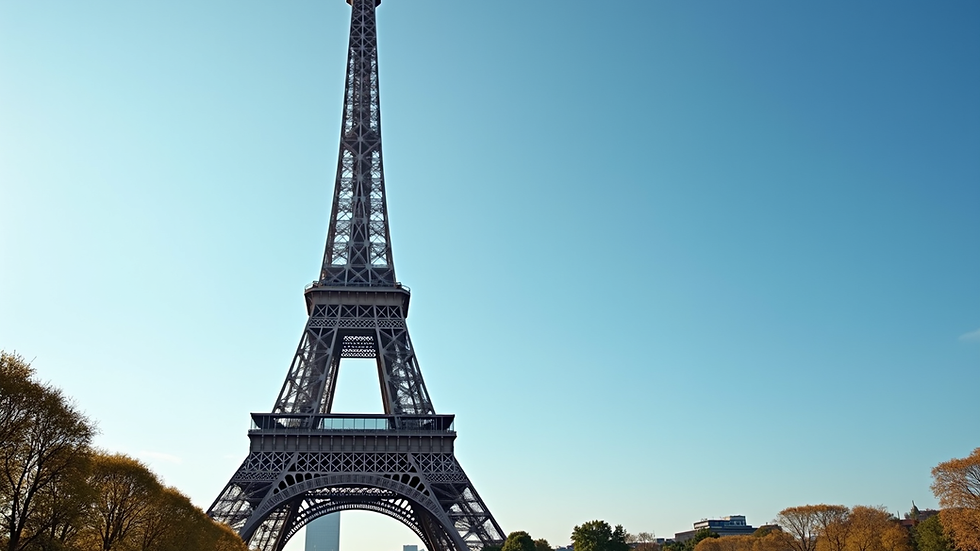
Artists, writers, and creators have long drawn inspiration from landmarks. The Eiffel Tower, for instance, has been a muse for countless painters and filmmakers. Its unique design challenged traditional architectural norms and opened doors to new possibilities.
When we engage with these landmarks, we tap into a wellspring of creativity. They remind us that innovation often comes from blending tradition with new ideas. This dynamic interplay keeps culture vibrant and evolving.
The Role of Landmarks in Building Community and Connection
Culturally significant landmarks are more than just historical sites; they are gathering places that foster community and connection. When I visit a landmark, I often find myself surrounded by people from all walks of life, united by a shared appreciation for that place.
Creating Shared Experiences
Landmarks serve as focal points for festivals, ceremonies, and public gatherings. These events create shared experiences that strengthen social bonds. For example, the annual cherry blossom festival in Japan draws people together to celebrate nature and renewal beneath the iconic blooms.
These shared moments build a sense of belonging and collective memory. They remind us that we are part of a larger story, connected across time and space.
Promoting Cultural Exchange
Tourism around landmarks also promotes cultural exchange. Visitors bring their own stories and perspectives, enriching the local culture. This exchange fosters understanding and empathy, breaking down barriers and building bridges between diverse communities.
When I travel to a landmark, I love hearing the stories of other visitors and locals alike. It’s a reminder that while our backgrounds may differ, our curiosity and wonder are universal.
Protecting Our Global Heritage: Why Conservation Matters
With all this importance, it’s clear that protecting culturally significant landmarks is crucial. Unfortunately, many landmarks face threats from natural disasters, urban development, and neglect. Preserving these sites requires effort, resources, and global cooperation.
Practical Steps for Preservation
Support local and international conservation efforts. Organizations like UNESCO play a vital role in safeguarding world heritage sites.
Practice responsible tourism. Respect the rules, avoid damaging the site, and support local economies.
Raise awareness. Share stories and educate others about the importance of these landmarks.
By taking these steps, we ensure that future generations can experience the same awe and inspiration that we do today.
The Power of Advocacy
Advocacy is another powerful tool. When communities and individuals speak up for their landmarks, they can influence policy and funding decisions. I’ve seen how grassroots movements have saved endangered sites from destruction, proving that every voice counts.
Beyond the Stone and Steel: The Emotional Impact of Landmarks
Finally, let’s talk about the emotional magic of landmarks. There’s something almost poetic about standing in a place where history unfolded. It stirs feelings of wonder, humility, and hope.
A Personal Connection
For me, visiting landmarks is a deeply personal experience. It’s a moment to pause, reflect, and connect with the human spirit across centuries. Whether it’s the solemnity of a war memorial or the grandeur of a palace, these places evoke powerful emotions.
Inspiring a Sense of Purpose
Landmarks remind us that we are part of a continuum. They inspire us to contribute our own stories and legacies. When I leave a landmark, I feel motivated to live with intention and to appreciate the richness of our shared human heritage.
Culturally significant landmarks are much more than tourist destinations. They are the heartbeats of history, the sparks of creativity, the threads that weave communities together, and the guardians of our collective memory. They matter because they remind us who we are, where we come from, and what we can achieve together.
So next time you find yourself in front of a landmark, take a moment. Listen to its story. Feel its pulse. And remember - these treasures are ours to cherish and protect for generations to come.


Comments